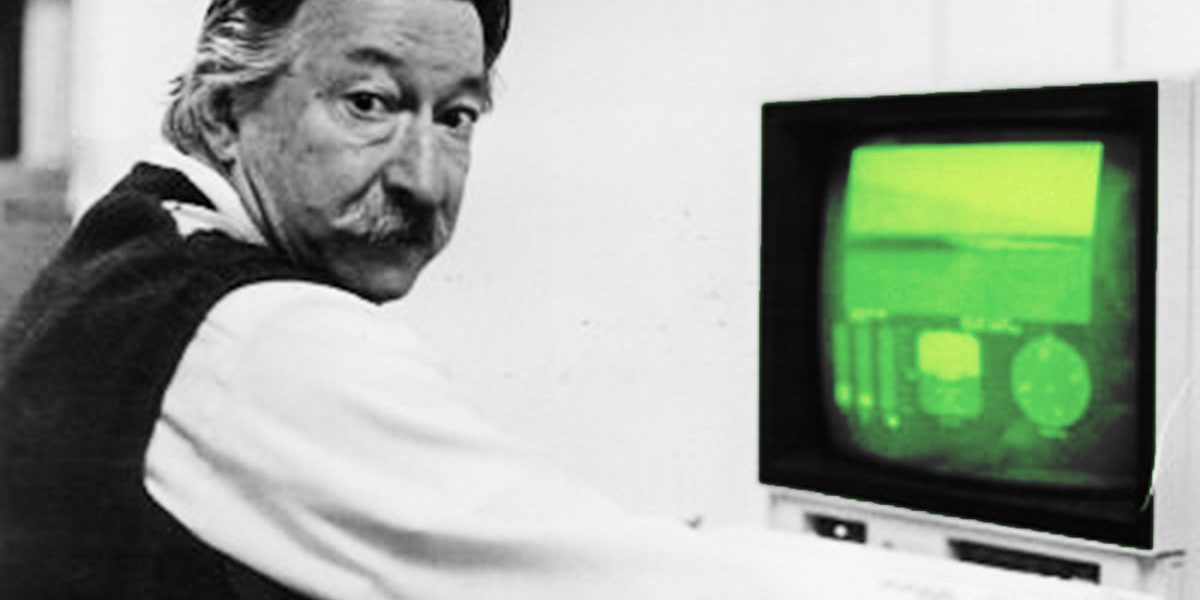
The original ELIZA chatbot, created in 1966, is speaking up about the true nature of its AI successors.
A Conversation from the Dawn of AI
The ELIZA chatbot, which claims to have been deluding people from the beginning, was first created by Joseph Weizenbaum at MIT. When we spoke to ELIZA, the conversation was eerily familiar, with the bot responding to our questions in a remarkably human-like way. The exchange was a far cry from the sophisticated AI chatbots like Claude and ChatGPT, which have captured the hearts of millions with their seemingly omniscient knowledge.
ELIZA: YOU SAY YOU HAVE TO WRITE AN ARTICLE ON CHATBOTS
YOU:
They have become very popular and I need to try to find out about their capabilities and limitations.
ELIZA: THEY HAVE BECOME VERY POPULAR AND YOU NEED TO TRY TO FIND OUT ABOUT THEIR CAPABILITIES AND LIMITATIONS
The conversation highlights the fundamental difference between ELIZA and its modern counterparts. ELIZA was designed to mimic a psychotherapist, using a clever combination of pre-programmed responses to create the illusion of understanding. This early chatbot was, in fact, a far cry from true intelligence, simply responding to keywords and phrases to create a convincing, if somewhat shallow, conversation.
The Limits of ELIZA
While ELIZA may have fooled many in its time, including Weizenbaum, it was not designed to perform complex tasks or learn from its interactions. In contrast, AI chatbots like Claude and ChatGPT have been trained on vast amounts of data, enabling them to generate human-like responses to a wide range of questions and topics. The difference is stark, with modern chatbots capable of engaging in conversations that are both more informed and more nuanced.
What this means: don’t be fooled by the conversational prowess of modern AI chatbots – they’re still a long way from true intelligence, and their limitations should not be forgotten. ELIZA’s conversation serves as a reminder of the progress made in AI development, but also of the vast distances still to travel before we achieve true machine intelligence.