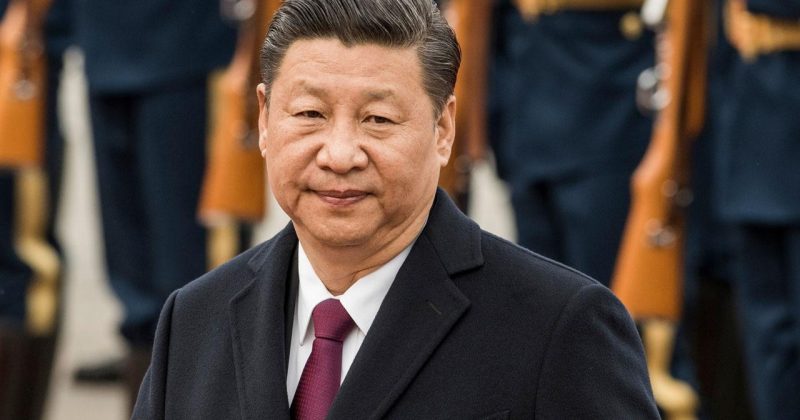
Xi Jinping, China’s President, has established the World Artificial Intelligence Cooperation Organization (WAICO) at the 2026 World AI Conference, launching a direct challenge to the United States’ dominance in the global tech landscape.
China’s Open-Source Approach
WAICO’s open-source approach to AI governance standards is aimed at developing nations, where the lack of robust regulatory frameworks has created an uneven playing field. This strategy reflects China’s growing ambitions in the global tech sphere, where Beijing seeks to assert its influence and challenge Washington’s leadership.
The organization’s standards will be based on open-source software, which can be freely accessed, modified, and distributed. This approach allows developing nations to adopt and adapt AI technologies at their own pace, without being beholden to proprietary solutions from Western corporations.
A Geopolitical Fault Line
Establishing WAICO has created a geopolitical fault line that cannot be ignored, particularly in the crypto markets. The organization’s focus on developing nations and open-source AI governance standards has set the stage for a high-stakes competition between China and the United States.
Crypto markets are closely watching this development, as it may signal a shift in the balance of power in the global tech landscape. China’s efforts to promote open-source AI standards could potentially disrupt the dominance of US tech giants and create new opportunities for Chinese corporations and startups.
A New Era of Tech Governance
WAICO’s launch marks a new era in tech governance, where emerging nations are increasingly taking center stage. China’s President Xi Jinping has positioned Beijing as a champion of developing nations, promising more equitable access to AI technologies and expertise.
What this means for the global tech landscape is that the rules of the game are changing. Western corporations will face increased competition from Chinese corporations and startups, which will have to adapt to new AI governance standards. Developing nations will also have more options for AI adoption, as open-source standards become the de facto norm.