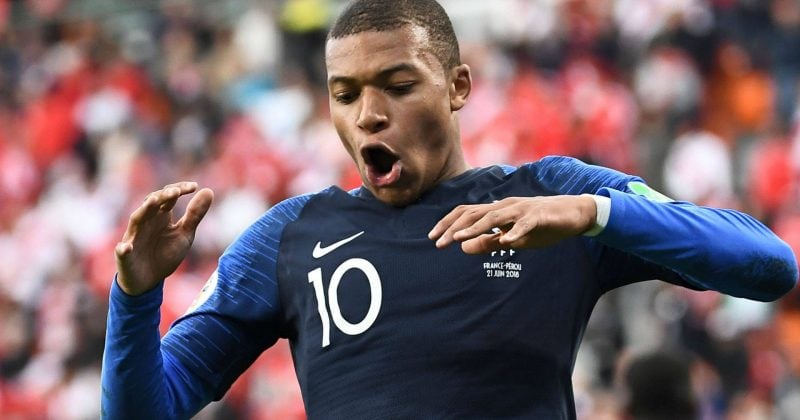
Kylian Mbappé spent the first half against England looking more like a spectator than a superstar, and the resulting online chaos is a cautionary tale about the dark side of AI-driven meme tokens.
The Power of Meme Token Trading
Meme tokens, which often tie in with popular culture or viral moments, have become a wild west for speculative traders. These tokens usually operate on blockchain platforms like Solana, allowing users to buy, sell, and trade them like stocks. The more attention a meme token gets, the more its value can skyrocket – at least for a while.
Unauthorized Mbappé Tokens Flood the Market
During the World Cup, a flurry of unauthorized Solana tokens tied to Mbappé’s name started appearing online. These tokens were designed to cash in on the French star’s fame, but they didn’t have his actual backing. The tokens’ creators exploited Mbappé’s on-field struggles against England, hoping to ride the wave of online attention to pump up their token’s value.
It’s a strategy that’s not unique to Mbappé or even the World Cup. Meme tokens often emerge to capitalize on trending topics or celebrity news, from cryptocurrency influencers to viral dance challenges. However, this unregulated space comes with significant risks, as investors can easily get burned by fake or worthless tokens.
The Dark Side of AI-Driven Meme Tokens
The Mbappé example highlights the dangers of unchecked meme token trading. These tokens may be created with AI algorithms that analyze online trends, sentiment, and user behavior. While AI can be a powerful tool for predicting market movements, it’s no substitute for actual oversight and regulation.
What this means: As AI-driven meme tokens continue to flood the market, investors need to be cautious and do their research before diving in. With the rise of online trading platforms, it’s easier than ever to speculate on meme tokens, but the risk of getting caught in a scam is real. Remember, if something seems too good to be true, it probably is.