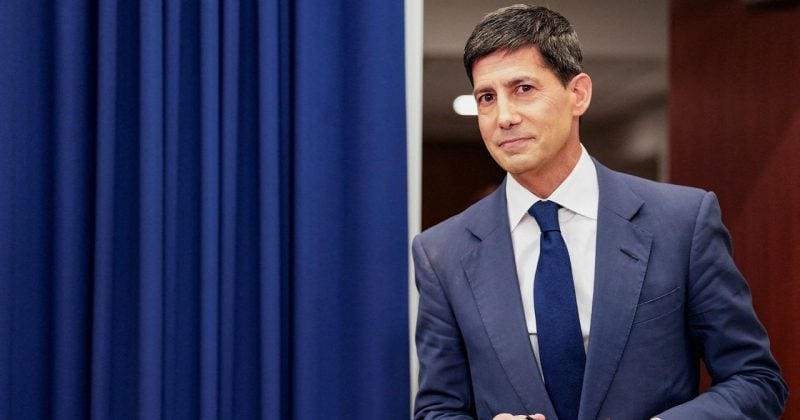
<Fed Chair Kevin Warsh Keeps Rates Firm at 3.6%, Despite Rising Oil Costs and AI Demand Spikes
Kevin Warsh, the newly appointed Federal Reserve Chair, has decided to maintain interest rates at 3.6%, defying speculation that he'd lower rates amidst the current oil price surge and skyrocketing AI energy demand.
The decision comes as global oil prices continue to fluctuate wildly, with the Brent crude benchmark breaching $120 per barrel this month. This has led to concerns about inflation, which Warsh's predecessor, Jerome Powell, had struggled to contain amidst a strong economic recovery.
Warsh’s stance on inflation has been clear since his appointment: he prioritizes controlling inflation above all else, even when faced with the prospect of a slowing economy. This approach has raised eyebrows among some economists, who fear that his reluctance to cut rates may exacerbate the economic downturn.
Meanwhile, the increasing demand for energy to power AI systems has further complicated the Fed’s inflation outlook. As companies and governments invest heavily in AI, they’re generating unprecedented amounts of data, which requires significant computational resources – and, therefore, energy.
What this means for everyday people is that the cost of living is likely to remain high, at least in the short term. Higher interest rates can help combat inflation by reducing borrowing and spending, but they also make borrowing more expensive for consumers and businesses, which can slow down economic growth.
The decision to hold rates firm has already had a ripple effect in the markets, with Bitcoin prices spiking above $60,000 in response to Warsh’s comments. The cryptocurrency’s surge is driven, in part, by the expectation of higher interest rates, which can increase the value of assets like Bitcoin.
It remains to be seen whether Warsh’s inflation-first approach will pay off, but one thing is certain: his leadership at the Fed will have far-reaching consequences for the global economy.
Warsh’s next move will be closely watched by investors and economists alike, as they seek to understand the implications of his inflation-first stance for the economy and financial markets.