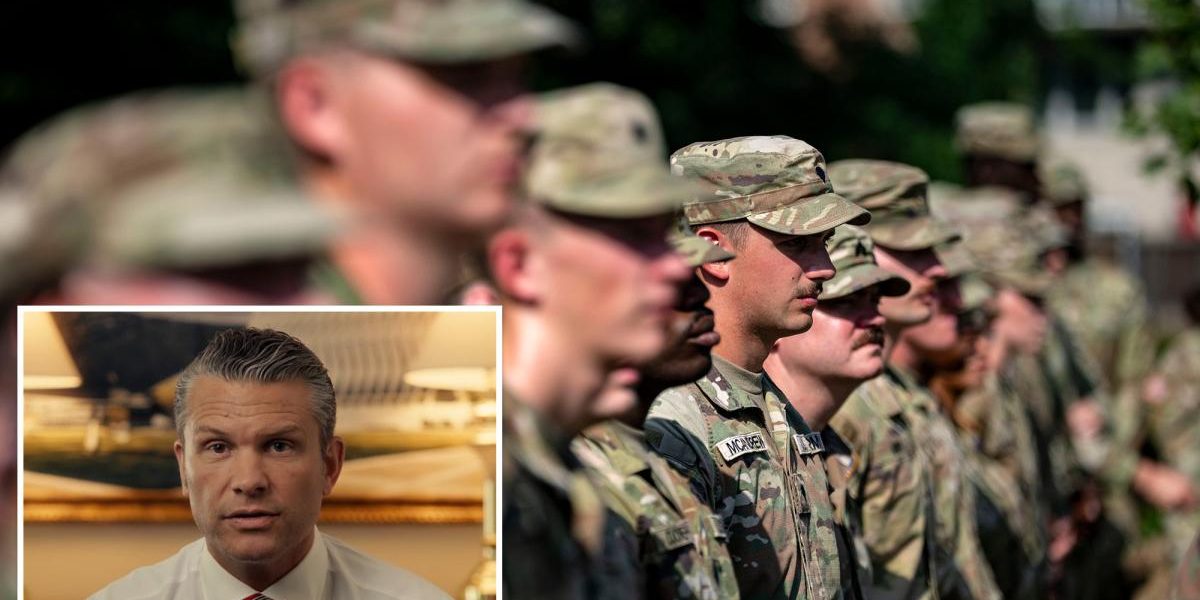
Troops over 30 are now required to have their testosterone levels checked annually, a move aimed at maintaining their military readiness.
The Pentagon’s new policy, announced by Pete Hegseth, a senior adviser to Secretary of Defense, is designed to keep older troops on “the leading edge of lethality.”
Troops 30 or older will have their testosterone levels checked annually, and those who test low may be eligible for testosterone replacement therapy (TRT).
The Science Behind the Policy
The Pentagon’s new policy is based on research that has linked lower testosterone levels to declining physical performance and cognitive abilities in older men. Testosterone is a key hormone involved in the regulation of muscle mass, bone density, and red blood cell production, all of which are critical for military readiness.
Studies have shown that older men who have low testosterone levels often experience decreased muscle mass and strength, as well as decreased bone density, which can put them at increased risk of injury or illness. In addition, low testosterone has been linked to decreased cognitive function, including decreased memory and concentration.
What this Means for Troops
The new policy will require troops 30 or older to undergo annual blood tests to check their testosterone levels. Those who test low may be eligible for TRT, which can help restore testosterone levels and improve physical and cognitive performance.
While the policy is intended to improve military readiness, some experts have raised concerns about the use of TRT in troops. They argue that the long-term effects of TRT are not fully understood and that it may have unintended consequences, such as increased risk of heart attack or stroke.
The Pentagon will be closely monitoring the results of the new policy to ensure that it is effective in maintaining military readiness while minimizing potential risks to troops’ health.