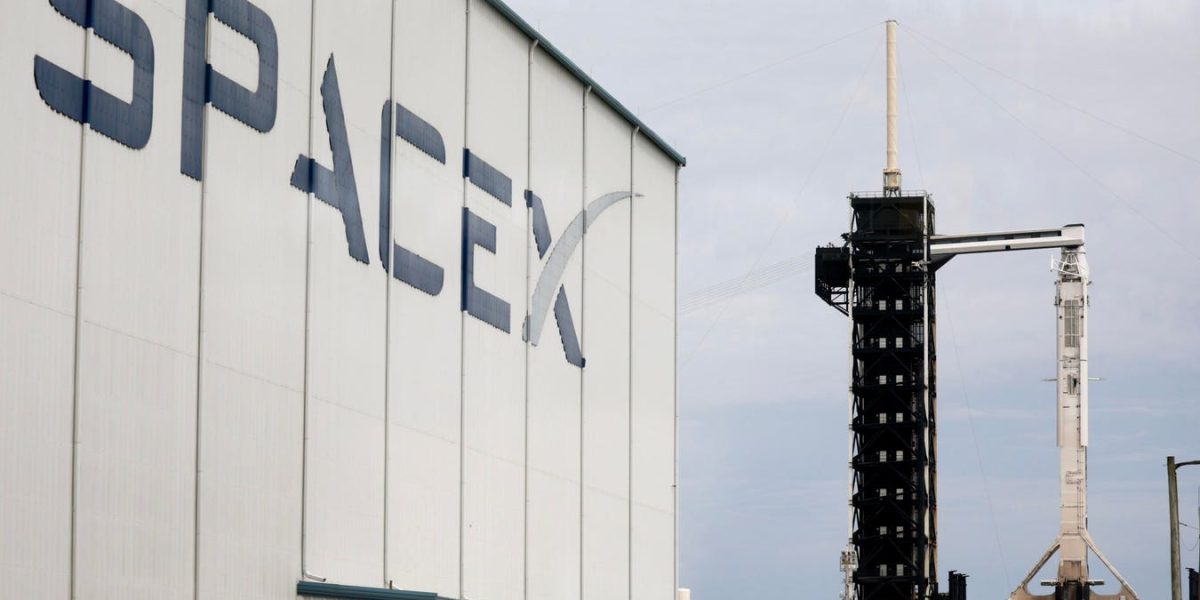
SpaceX’s stock price has dipped below its IPO value for the first time, hitting $132.99. This decline comes as investors express growing skepticism about the role of AI in the company’s technology.
AI Trade Trepidation
SpaceX’s reliance on AI to streamline its production processes and improve satellite navigation has sparked concerns that the technology is a double-edged sword. While AI can boost efficiency, it also raises questions about the company’s ability to control and regulate its use. This nervousness has contributed to the stock’s 10% drop since its listing on the Nasdaq on June 8.
The recent downturn in SpaceX’s stock price is also linked to the company’s high valuation. With a market capitalization of **$50 billion**, investors are under pressure to see a return on their investment. SpaceX’s AI-driven technology is a key part of its business model, but the company’s failure to deliver on its promises could have far-reaching consequences.
Tech Giant’s AI Ambitions
SpaceX’s use of AI is centered around its **Starlink** satellite network, which relies on complex algorithms to manage operations and optimize performance. The technology has the potential to revolutionize global connectivity, but its implementation has been met with skepticism by investors. The company’s ability to navigate these concerns will be crucial in determining its long-term success.
Elon Musk’s vision for a decentralized internet powered by AI will require significant investment and technological advancements. While SpaceX has made significant strides in satellite technology, its reliance on AI raises fundamental questions about the company’s business model and growth prospects.
What this means
For investors, SpaceX’s declining stock price serves as a warning sign about the risks associated with AI adoption. As the technology continues to advance, companies will need to demonstrate a clear understanding of its applications and limitations to avoid investor skepticism. For SpaceX, the challenge will be to balance its AI ambitions with the need for transparency and control, a delicate balance that will be crucial in determining its long-term success.