World Watches as Bangladesh Brings Nuclear Power to the East
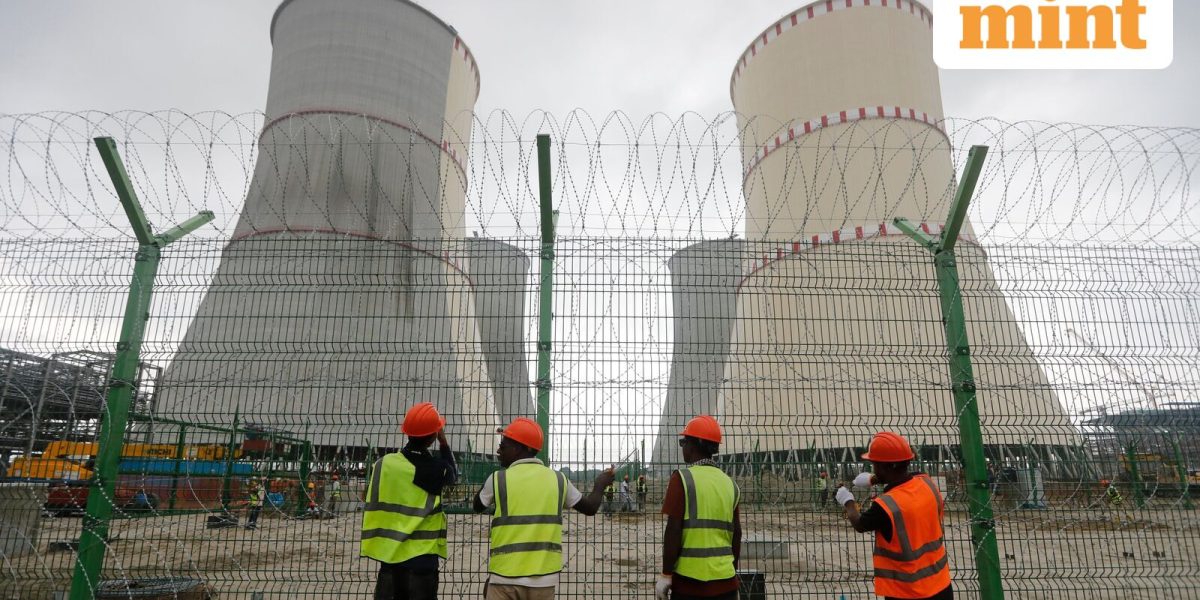
Bangladesh has just become the 29th country with nuclear power capabilities, and its first nuclear power plant, Rooppur Nuclear Power Plant, is already turning heads. The two Russian-designed reactors under construction are expected to begin operation in 2028, generating enough electricity to meet nearly **15%** of the country’s power demand.
The plant’s location on the banks of the Padma River in western Bangladesh has turned it into an unexpected tourist attraction, with visitors flocking to take selfies against the backdrop of the massive facility. The site’s unusual appeal has even caught the attention of social media influencers, with some visitors reportedly traveling long distances just to get a glimpse of the plant.
Making History in South Asia
Bangladesh’s nuclear ambitions are significant, given the country’s rapid economic growth and increasing energy needs. With a population of over 160 million, Bangladesh relies heavily on imported fossil fuels to meet its electricity demands, which has put a strain on its foreign exchange reserves. Nuclear power offers a cleaner, more sustainable alternative, allowing the country to reduce its reliance on imported fuels and lower greenhouse gas emissions.
The Rooppur Nuclear Power Plant is a result of a $13 billion deal signed with Russia’s state-owned nuclear company, Rosatom, in 2011. The project has come with its share of challenges, including a 2017 change in the plant’s design due to environmental concerns. However, the project’s timeline has remained relatively on track, with the first reactor expected to enter commercial operation in 2028, followed by the second reactor a year later.
A Green Energy Future for Bangladesh
The Rooppur Nuclear Power Plant’s success will have far-reaching implications for Bangladesh’s energy sector. By generating a significant portion of the country’s electricity, the plant will help reduce reliance on imported fuels, lower energy costs, and improve energy security. It will also create jobs and stimulate economic growth in the local community.
What this means for Bangladesh is a cleaner, more sustainable energy future. By diversifying its energy mix with nuclear power, the country can reduce its carbon footprint, boost economic growth, and ensure energy security for generations to come.