**Biomimicry Revolutionizes Architecture: AI-Powered Design Inspired by Nature**
AECOM, the international architecture firm, has recently unveiled a revolutionary AI-powered design system inspired by the intricate structures of plants. This innovative approach, born from a collaboration between AECOM, China’s Architectural Design & Research Institute of South China University of Technology, and Guangzhou Landscape Architectural Design & Research Institute, could transform the way we design buildings.
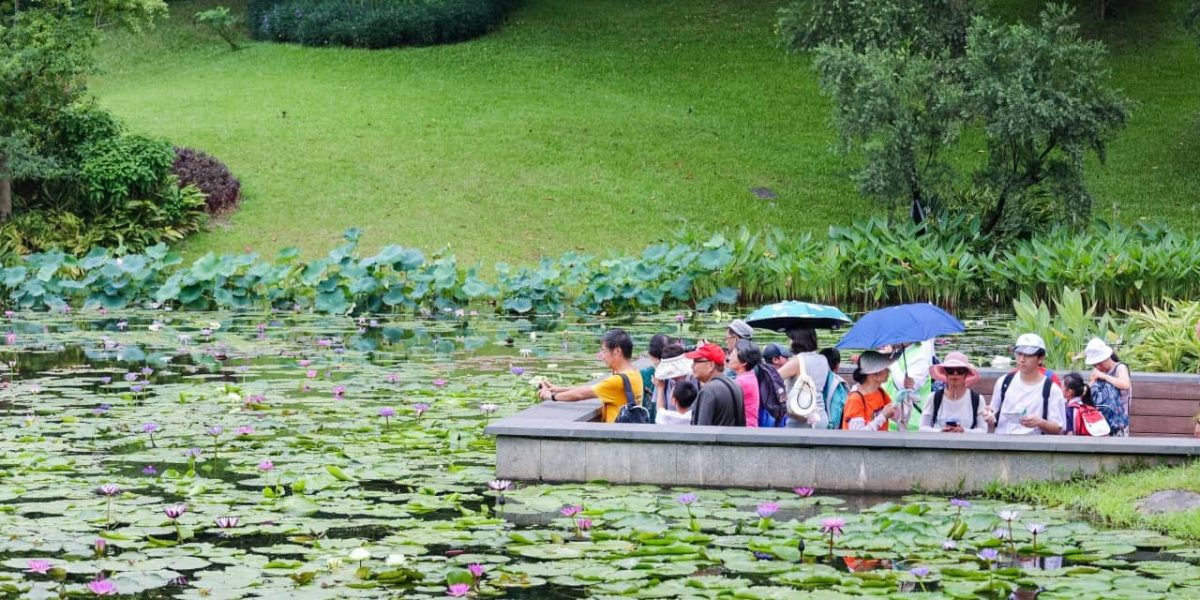
The project, which drew inspiration from the Guangzhou Yunxi Botanical Garden, utilizes AI algorithms to learn from the complex patterns and shapes found in nature. By analyzing the structure and behavior of plants, the system generates novel architectural designs that incorporate sustainable and efficient features.
Key Features of Bio-Inspired Architecture
**Self-Sustaining Systems**: The AI-powered design system learns from plants’ ability to adapt to their environment and self-regulate their growth. This results in buildings that can optimize energy consumption, reduce waste, and promote a healthier indoor air environment.
**Efficient Structural Support**: Plant-inspired architecture incorporates structural elements that distribute loads more efficiently, reducing the need for materials and minimizing the carbon footprint of construction.
**Climate Resilience**: By emulating the adaptability of plants to changing climates, these designs can better withstand extreme weather events and maintain a stable indoor environment.
A New Era for Sustainable Architecture
What this means is that the traditional approach to building design might soon become a relic of the past. With AI-powered, bio-inspired architecture, we can create structures that not only minimize their ecological impact but actively contribute to a healthier environment.
The partnership between AECOM and the research institutes demonstrates the potential for interdisciplinary collaboration in driving innovation. By merging architecture, AI, and botany, they’re pushing the boundaries of what’s possible in sustainable design. As we look to the future, one thing is clear: the built environment will never be the same again.