**Bipartisan AI Bill Moves Through Congress – This One’s Different**
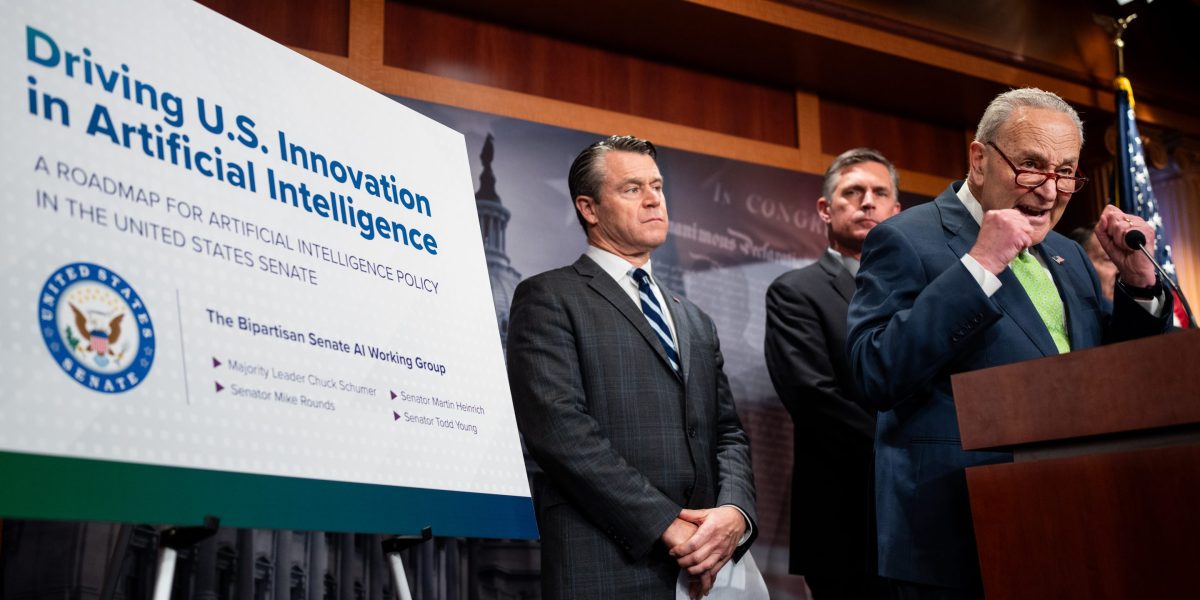
A surprisingly cohesive AI bill is making its way through Congress, where divisions often run deep. The CREATE Act, a bipartisan effort, aims to promote responsible AI development without singling out any industry or company.
The federal government is awash in AI legislation, with over 300 bills introduced so far in this Congress alone. While some of these proposals are well-intentioned, others may do more harm than good. But the CREATE Act stands out from the pack by eschewing both the “pick winners” and “burden industry” approaches often associated with similar bills.
One key advantage of the CREATE Act is its emphasis on education and workforce development. Rather than imposing strict regulations or doling out subsidies, the bill focuses on providing grants to schools and universities to help them create programs tailored to the rapidly changing job market.
Why It Matters
The CREATE Act’s unique approach may be a refreshing change from the usual partisan bickering on Capitol Hill. By supporting education and workforce development, lawmakers can help ensure that the benefits of AI are shared more equitably and that workers are not left behind in the tech revolution.
**Key Provisions**
The bill’s sponsors, Senators Marsha Blackburn (R-TN) and Gary Peters (D-MI), have touted its potential to create new opportunities for workers and businesses alike. Key provisions include:
* Grants to support the development of AI-focused education programs
* Encouragement of public-private partnerships to advance AI research and development
* A focus on ensuring that AI benefits are shared equitably across industries and communities
What This Means
The passage of the CREATE Act could signal a shift in how lawmakers approach AI legislation. By prioritizing education and workforce development, Congress may be able to address some of the more pressing concerns surrounding AI without stifling innovation or creating unnecessary burdens for industry. If the bill passes, it could have significant implications for the future of work and the role of government in shaping the tech landscape.