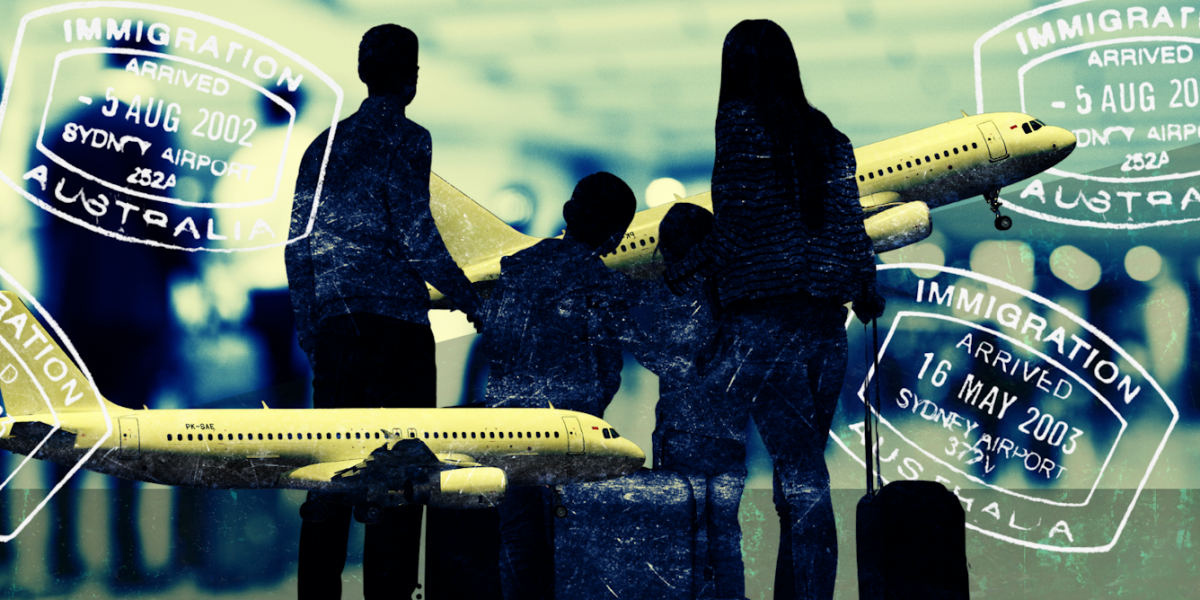
For decades, governments worldwide have been grappling with the complex issue of migration, a debate often dominated by numbers and systems. Amid the heated discussions, it can be easy to overlook the fundamental question: what is migration for?
The Quest for a Better Life
Migration is, at its core, a basic human instinct – a desire to escape hardships, find better opportunities, and build a brighter future. People migrate to reunite with loved ones, to pursue education or career prospects, or to flee conflict and persecution. They’re driven by a quest for a better life, not just for themselves, but for their families and communities.
However, national needs and priorities often come into conflict with this inherent human desire. Governments are torn between the need to control their borders and accommodate the growing number of asylum seekers and economic migrants. They must balance the welfare of their own citizens with the obligations to protect and provide for those in need.
The Struggle for Identity
Migration debates often begin with figures and systems, neglecting the human stories behind the statistics. The discussion revolves around quotas, prioritization, and timelines, but what about the underlying needs and aspirations of the individuals involved? The struggle to define national identity and cohesion often becomes entangled with the issue of migration.
National identity is a deeply complex and multifaceted concept, shaped by history, culture, and politics. As societies become increasingly diverse, governments face the challenge of reconciling their own sense of identity with the influx of new individuals and cultures. This tension can lead to divisions and conflicts, making it even harder to address the root causes of migration.
Reframing the Debate
So, what does this mean for policymakers, individuals, and society as a whole? Ultimately, reframing the migration debate around the fundamental human desire for a better life can help shift the focus from numbers and systems to needs and aspirations. By understanding the underlying motivations behind migration, governments can develop more effective and compassionate policies that prioritize human dignity and well-being.
By putting people at the center of the debate, we can work towards creating a more inclusive and equitable society where everyone has the opportunity to thrive, regardless of their background or circumstances. It’s time to shift the conversation and ask: what is migration for, and how can we work together to create a brighter future for all?