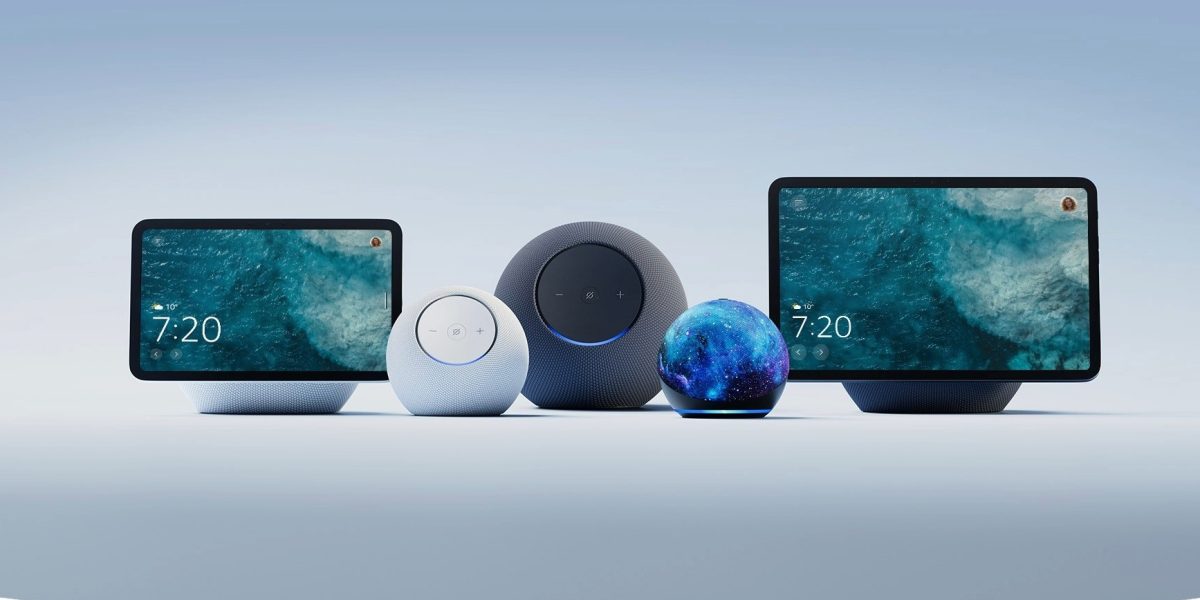
Amazon’s latest Alexa+ update claims to be a significant improvement, leveraging artificial intelligence for more flexible interactions. But a closer look reveals that this “upgrade” comes with a peculiar trade-off: sometimes, the voice assistant’s uncertainty is more desirable than its confidence.
During testing, we found that Alexa+ excels in its ability to engage in conversations, seamlessly switching between topics and even understanding follow-up questions. This is a significant departure from its predecessors, which often required you to restart the conversation from scratch. However, this newfound flexibility comes at a cost: Alexa+ is increasingly prone to saying “Sorry, I don’t know that one.”
Sleeping on the Job
One notable issue with Alexa+ is its tendency to avoid answering questions it’s not sure about. While this might seem like a good thing – after all, who likes being told they’re wrong? – it can actually lead to frustration. Imagine asking Alexa+ to set a timer for 30 minutes and it responding with a hesitant “I think it might be around 20-40 minutes?” The lack of confidence can make the assistant less useful in situations where precision matters, like cooking or scheduling.
The Limits of AI
Alexa+ is not alone in struggling with confidence; many AI systems face similar challenges. The issue stems from the complex trade-offs involved in training AI models. Developers must balance the desire for accuracy with the need for flexibility and the risk of overconfidence. In the case of Alexa+, this means prioritizing user experience over perfect answers. While this approach might be more user-friendly in the short term, it also raises questions about the long-term value of relying on AI assistants.
What This Means
Amazon’s decision to prioritize user experience over accuracy highlights the ongoing challenges of AI development. As we increasingly rely on AI assistants to manage our daily lives, we need to consider the trade-offs involved in their design. In the case of Alexa+, the benefits of its improved flexibility come with a cost: a lack of confidence that can make the assistant less useful in critical situations. As we move forward with AI development, it’s essential to strike a balance between user experience and accuracy.