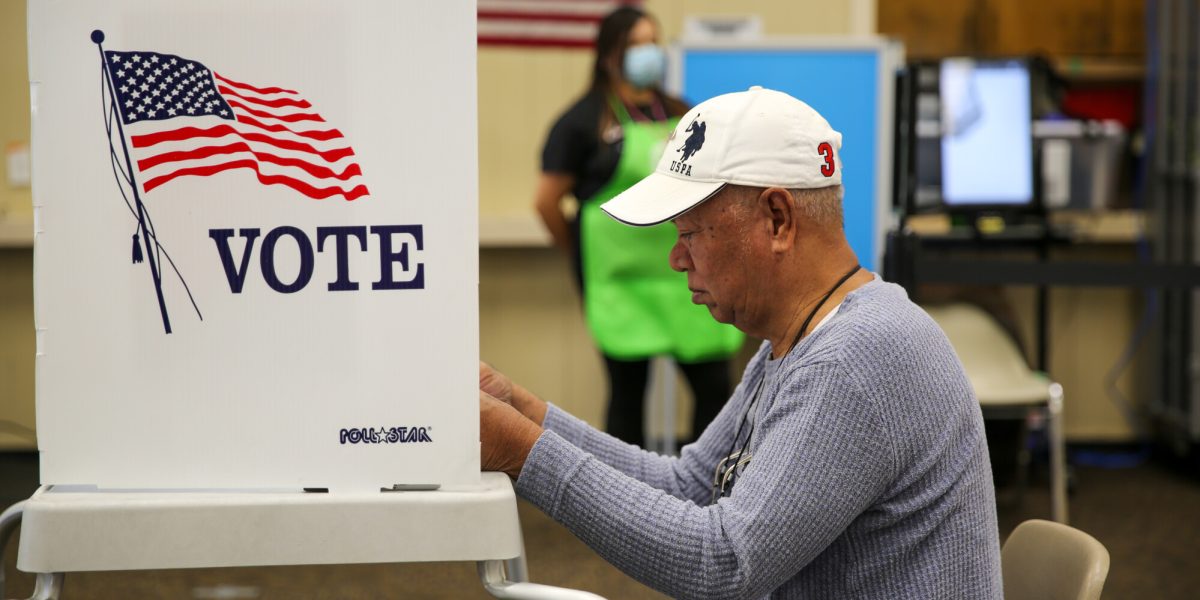
San José is inching closer to adopting ranked choice voting, but only in some city elections – and not right away. The City Council has delayed a plan to ask voters about implementing ranked choice voting in all elections until 2028.
Why the delay?
City officials are worried about the high cost of putting a measure on the ballot this November. Council members are considering alternative ways to implement ranked choice voting, including using it in some elections while sticking with a traditional voting system in others.
A glimmer of hope for some voters
The proposal aims to offer voters more flexibility in choosing their preferred candidates, eliminating the need for multiple rounds of voting. Ranked choice voting can allow voters to rank multiple candidates in order of preference, and their vote is then reallocated to their next preferred candidate if their top choice doesn’t win.
According to Kevin Park Lee, an expert in election reform, ranked choice voting can lead to more inclusive and representative governments. “It’s a way to give voters more voice and to reduce the spoiler effect, where a candidate with a strong base of support loses to a more mainstream candidate,” Lee explains.
What this means
If implemented, ranked choice voting could give San José voters more choices and a greater say in the selection of city leaders. However, the delayed timeline means that voters will have to wait at least two more years to weigh in on the proposal.
San José City Council members are also exploring ways to offset the costs associated with implementing ranked choice voting, such as holding special elections or using technology to streamline the process. Whether these efforts will pay off remains to be seen, but one thing is clear: San José voters will have more options in some city elections, even if they won’t have them all.