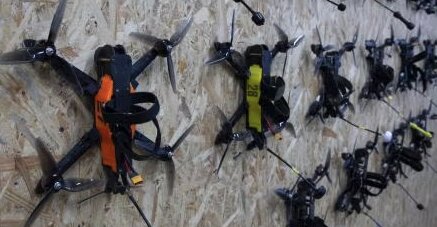
Military strategists are scrambling to rethink their approach to land capture as drone technology has turned the battlefield into a stalemate. Drone walls and layered short, medium, and long-range droning have effectively recreated a modern version of trench attrition warfare, where large-scale land capture is extremely difficult and costly for near-peer adversaries.
This shift was brought about by advancements in drone warfare. Improved drone design, increased availability of drones, and the widespread adoption of drone technology by various military forces have all contributed to this new paradigm. The proliferation of drones has created a web of interlocking air-defenses, making it nearly impossible to breach the “drone wall.”
The Era of Trench Warfare 2.0
This modern trench warfare isn’t limited to drone technology, however. It’s an interconnected system of anti-drone systems, electronic warfare measures, and smart munitions that are designed to neutralize and negate the effectiveness of enemy drones. This has led to a series of incremental battles where both sides are hesitant to commit large-scale forces, fearing significant losses.
Implications for the Battlefield
The implications of this shift are far-reaching. Large-scale land capture, a staple of modern warfare, is no longer a viable option. Military strategists must reevaluate their tactics and adapt to a landscape where small, incremental gains are the only realistic objectives. This change requires significant investments in new technologies and retraining for existing forces.
What this means for you
While this development may seem isolated to the military, it has significant implications for civilians. The proliferation of drone technology, especially in the commercial sector, raises concerns about the potential for civilian drone warfare. As the military continues to develop and refine its drone capabilities, it’s likely that we’ll see increased investment in anti-drone systems and countermeasures. The civilian drone industry will need to adapt to these changes to maintain its own viability and safety.