EU Targets AI-Powered Factories to Stay in the Game
The European Union has set its sights on industrial AI as a way to revive its struggling manufacturing sector, which is currently falling behind the US and China. A new strategy focuses on engineering expertise, rather than the trendy frontier AI models that have dominated headlines.
The EU’s move acknowledges its existing talent shortage in the tech sector, but aims to bolster its manufacturing capabilities with AI-driven innovation. This approach could give the EU a much-needed boost in competitiveness, as the region seeks to maintain its global standing in the face of rising competition from Asia and the US.
From Frontier to Industrial AI
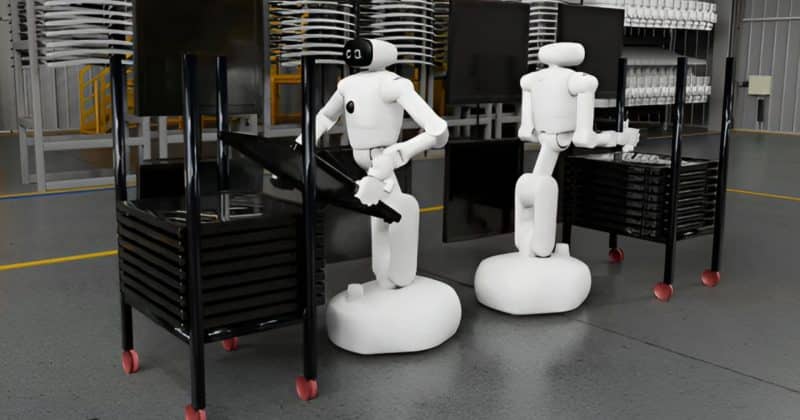
While many tech enthusiasts have been fixated on the latest developments in frontier AI, the EU is putting its faith in a more practical, industrial application of AI technology. This approach prioritizes specific areas like production planning, quality control, and supply chain management, where AI can have a real, tangible impact.
By focusing on industrial AI, the EU is leveraging the region’s existing engineering expertise to drive innovation and efficiency in its manufacturing sector. This could lead to a more sustainable and competitive industry, capable of producing high-quality goods at scale.
Talent Shortage a Major Hurdle
Despite the EU’s efforts to stimulate its manufacturing sector, a major challenge remains: talent shortages. The region struggles to attract and retain top tech talent, which has a significant impact on its ability to develop and implement AI-powered solutions.
To address this issue, the EU is working to create more opportunities for training and upskilling, particularly in areas like data science and engineering. By investing in its workforce, the EU hopes to build a more competitive and resilient manufacturing sector that can thrive in the face of rising global competition. What this means for consumers: better-made products and more efficient supply chains, as EU manufacturers tap into the potential of AI-driven innovation.