Japanese energy giant Cosmo Energy Holdings is doubling down on its Middle Eastern oil suppliers despite the ongoing Iran war, a move that highlights the region’s enduring importance in the global energy landscape.
Business as Usual for Cosmo Energy
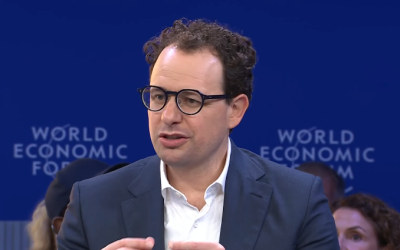
Cosmo Energy Holdings’ CEO has signaled that the company will not be swayed from its traditional suppliers in the Middle East, citing the region’s cost-competitiveness and the suitability of its crude for the company’s refineries.
The decision is significant, given the Iran war’s impact on global oil markets and the increasing competition from alternative suppliers. However, Cosmo Energy’s commitment to the Middle East suggests that the region remains a critical component of the company’s strategy.
Middle Eastern Crude: The Preferred Choice
The Middle East is home to some of the world’s largest oil reserves, and its crude is known for its high quality and low sulfur content. This makes it an attractive option for companies like Cosmo Energy, which require a consistent and reliable supply of crude for their refineries.
The region’s cost-competitiveness is also a major factor in Cosmo Energy’s decision. The Middle East is home to some of the lowest production costs in the world, which enables oil-producing countries to offer their crude at competitive prices.
What this means
Cosmo Energy’s decision to maintain its focus on Middle Eastern crude suppliers has significant implications for the global energy market. It suggests that the region’s importance is unlikely to wane in the near future, and that companies will continue to prioritize its crude due to its quality and cost-competitiveness.
For investors and energy experts, this development is a reminder of the Middle East’s enduring significance in the global energy landscape. As the world continues to grapple with the challenges of climate change and energy security, Cosmo Energy’s commitment to the region serves as a testament to the region’s importance in meeting the world’s energy demands.
At the same time, the decision also highlights the challenges facing alternative suppliers, such as those in the Americas and Africa. These regions have been trying to tap into the growing demand for oil, but they face significant competition from established players in the Middle East.
The Middle East, it seems, is not going away anytime soon.