**US Military Deploys Elon Musk’s AI Tool in Strikes Against Iran**
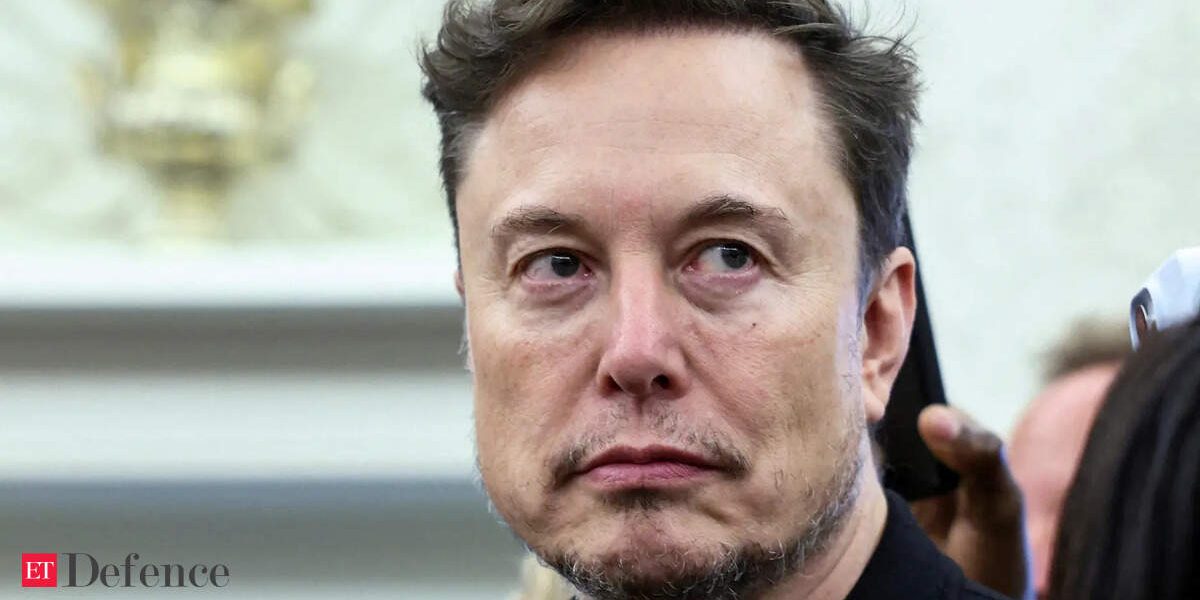
A new chapter in the intersection of AI and military operations has been revealed, as the US government disclosed that **Elon Musk’s** AI tool, Grok, played a role in strikes against Iran. The news emerged from a June 15 legal brief defending xAI’s data center, which was seen by AFP.
**A New Player in AI-Military Collaborations**
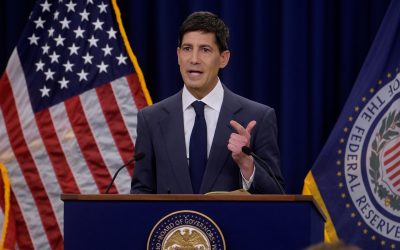
The Pentagon’s AI chief, **Cameron Stanley**, confirmed Grok’s involvement in military operations. While details of the strikes remain classified, this development marks a significant step in the integration of private AI tools into US military operations.
Grok, an AI tool developed by **Elon Musk’s** xAI company, was initially designed for analytical purposes, such as analyzing large datasets and identifying patterns. The tool’s capabilities and potential applications have sparked both interest and concern among experts.
**What this means**
The use of Grok in military operations highlights the increasing role of private sector AI tools in national security. As AI technology continues to advance, we can expect to see more collaborations between government agencies and private companies. This trend raises questions about accountability, transparency, and the potential consequences of relying on commercial AI tools for critical decision-making.
The use of Grok in strikes against Iran suggests that the US military is leveraging AI to augment its capabilities, potentially enhancing the accuracy and effectiveness of military operations. However, the deployment of AI tools also raises concerns about the potential for unintended consequences, such as bias or errors in decision-making.
**AI’s Growing Role in National Security**
The US government’s decision to use Grok in military operations is part of a broader trend of integrating AI into national security. As AI technology continues to advance, we can expect to see more applications of AI in military planning, operations, and decision-making. The implications of this trend will be far-reaching, and it remains to be seen how governments and private companies will balance the benefits and risks of AI in national security.