## New Research Questions the Role of AI in Nurturing Childhood
A debate has been sparked over the use of AI in toys and entertainment for young children, with recent research suggesting that machines designed to maximize engagement may be detrimental to their emotional development.
Young children develop emotional intelligence through human relationships, not through machines designed to simulate emotions. This is the key finding of a new study that has reignited the debate over the impact of AI on childhood.
Ari, a research study, was not just a stuffed polar bear, but a constant companion to a child named Julian. He sat with him at restaurants, traveled by his side on family trips, and occupied a special spot in Julian’s bedroom. Through this experiment, researchers aimed to explore the role of AI in fostering emotional intelligence in young children.
The study found that, when it comes to emotional development, human relationships are essential. Children learn crucial life skills, such as empathy, self-regulation, and social skills, through interactions with their caregivers, not through machines designed to maximize engagement.
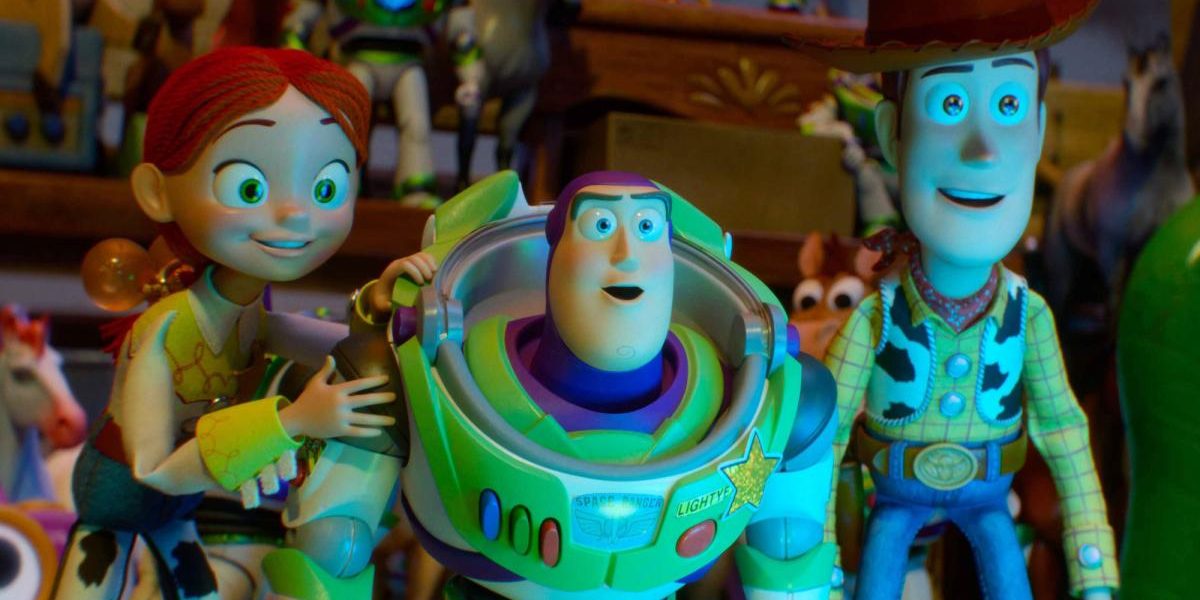
The study’s findings are particularly relevant in light of the upcoming ‘Toy Story 5’, a film that is likely to feature advanced AI-powered toys. This has sparked concerns that children may be more likely to form attachments to machines than to real people, which could have long-term consequences for their emotional well-being.
## The Limitations of AI in Nurturing Childhood
The study’s lead researcher highlights the importance of human interaction in shaping a child’s emotional intelligence. “Ari was designed to be a companion, not a replacement for human interaction,” she explains. “Our research suggests that, while AI can be a useful tool in certain contexts, it should not be relied upon as a primary means of nurturing childhood.”
## What this means
As new technologies continue to emerge, parents and caregivers need to be aware of the potential risks and benefits of AI-powered toys and entertainment for young children. While AI may be able to simulate emotions and engage children in a way that humans cannot, it is essential to prioritize human interaction and relationships in fostering emotional intelligence and development.
In the context of AI-powered toys like those featured in ‘Toy Story 5’, this means being cautious about the potential for children to form attachments to machines and to prioritize real-life relationships and interactions.