Patients Are Turning to AI Chatbots for Health Info, Exposing Systemic Gaps
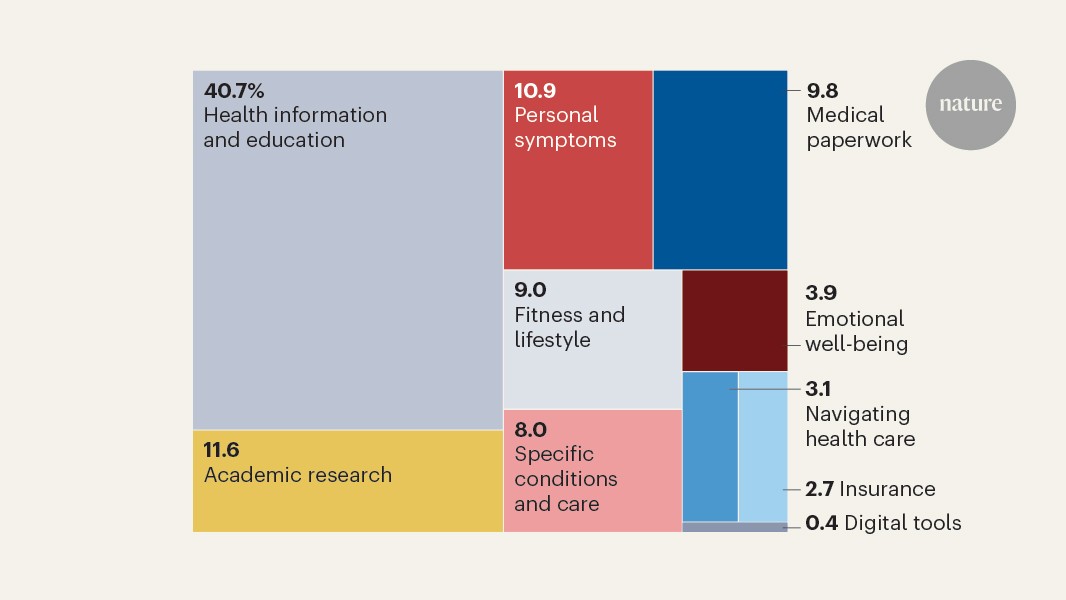
A disturbing trend is unfolding: people are increasingly relying on AI-powered chatbots for health information, revealing the shortcomings in healthcare provision and the responsibilities of AI companies. According to a recent study published in Nature Health, health-related queries to chatbots have become a norm, with many individuals using these platforms as a primary source of information.
The systematic assessment, conducted by a team of researchers led by B. Costa-Gomes, found that chatbots are filling the gaps in healthcare provision, particularly in underserved communities where access to quality healthcare is limited. These platforms are often the only point of contact for people seeking health information, and they’re being used for everything from diagnosing symptoms to managing chronic conditions.
The Dark Side of AI-Powered Health Info
However, the study highlights the dark side of this trend. The researchers discovered that AI chatbots are often providing incomplete, inaccurate, or even misleading information, which can have serious consequences for individuals’ health. This is particularly concerning when it comes to sensitive topics like mental health, where the wrong information can exacerbate symptoms and hinder treatment.
The researchers argue that AI companies bear a significant responsibility for ensuring the accuracy and reliability of the information provided by their chatbots. However, their current business models prioritize profit over people, often resulting in a lack of human oversight and accountability. As a result, individuals are being put at risk of misdiagnosis, delayed treatment, or even harm.
What This Means
The implications of this trend are profound. It’s clear that AI chatbots are not a replacement for human healthcare professionals, but rather a stopgap measure for individuals who lack access to quality care. To address this issue, it’s essential that AI companies take responsibility for the information they provide and work towards developing more accurate and reliable chatbots. Until then, it’s up to individuals to be cautious when seeking health information online and to always consult with a healthcare professional for accurate and personalized advice.