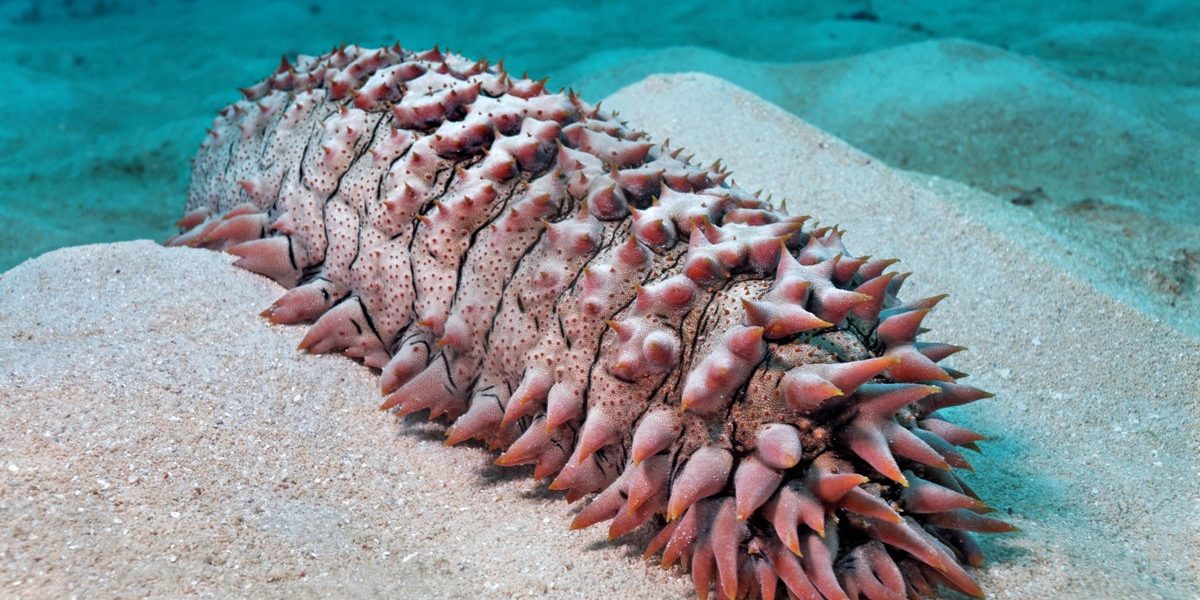
Scientists in a new study have successfully trained an AI tool to identify images of smuggled sea cucumbers, along with other protected marine wildlife like seahorses and shark fins.
Stemming the Tide of Wildlife Smuggling
Wildlife smuggling is a multibillion-dollar industry, with protected species like sea cucumbers, seahorses, and shark fins being targeted for their value on the black market. To combat this illicit trade, researchers have been working on a novel approach: using AI to identify suspicious cargo.
The AI tool, trained on a dataset of images featuring these protected species, can analyze luggage scans and detect when a sea cucumber – or other prohibited wildlife – is being smuggled. This breakthrough could help conservation efforts stay one step ahead of traffickers.
The AI’s Eye for Detail
Developed by a team of researchers, the AI algorithm uses convolutional neural networks (CNNs) to examine luggage scans and identify patterns characteristic of the targeted wildlife. In testing, the tool proved effective in detecting even low-quality or partially concealed images of the protected species.
The study’s lead researcher, Dr. Sophia Patel, explains: “Our AI tool has shown significant promise in identifying the telltale signs of smuggled wildlife. By integrating this technology with existing enforcement protocols, we aim to disrupt the smuggling supply chain and safeguard vulnerable species.”
What this means
This AI-powered tool has the potential to significantly bolster efforts to combat wildlife smuggling. With the help of AI, customs officials and law enforcement agencies will be better equipped to detect and prevent the transportation of illicit goods. Ultimately, the goal is to safeguard protected marine species and bring those responsible for the wildlife trade to justice.