**Treasury Secretary Scott Bessent Vows to Rewrite the Rules of the US Economy**
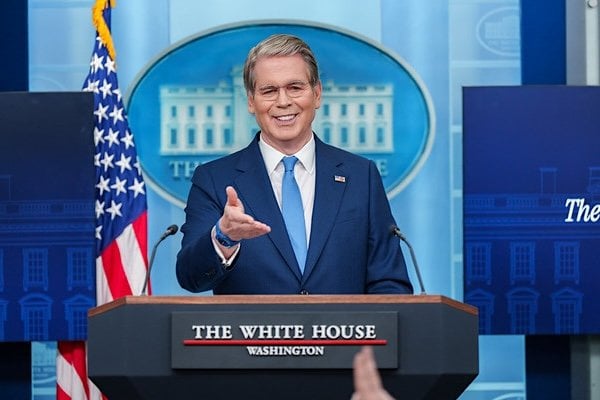
U.S. Treasury Secretary Scott Bessent isn’t just a numbers guy – he’s a systems thinker. At a recent White House press briefing, he laid bare his vision for an economy that no longer favors a select few at the expense of the many.
He sees the current economic system as a sprawling, centuries-old construct that has been shaped by the interactions of production, energy, capital formation, and national power. It’s a complex tapestry, one that has yielded great benefits to some, but also exacerbated inequality and left many behind.
P
For Bessent, the solution lies not in tweaking the system, but in fundamentally reimagining it. He’s a strong advocate for policies that prioritize the needs of working-class Americans, rather than just corporate profits and stock prices. It’s a philosophy that’s long overdue, given the country’s widening wealth gap and stagnant economic growth.
**What this means**: Secretary Bessent’s bold new approach could signal a major shift in the way the US economy is run. If implemented, it could lead to more equitable distribution of wealth, greater investments in infrastructure and education, and a more competitive, innovative economy that works for everyone – not just the wealthy elite.
At the heart of Bessent’s vision is a recognition that the US economy is no longer a meritocratic system, where hard work and talent alone determine success. Instead, it’s a rigged game where those with the right connections and resources often have a leg up on the competition. He’s right to point out that this is a system that’s no longer serving America’s interests.
**Confronting the Past**: By framing the economy as a system that’s been shaped over time, Bessent is acknowledging the historical context that has led to the country’s current economic woes. He’s not just talking about the recent surge in inequality and economic stagnation – he’s also referencing the long-term trends and policies that have contributed to this state of affairs.