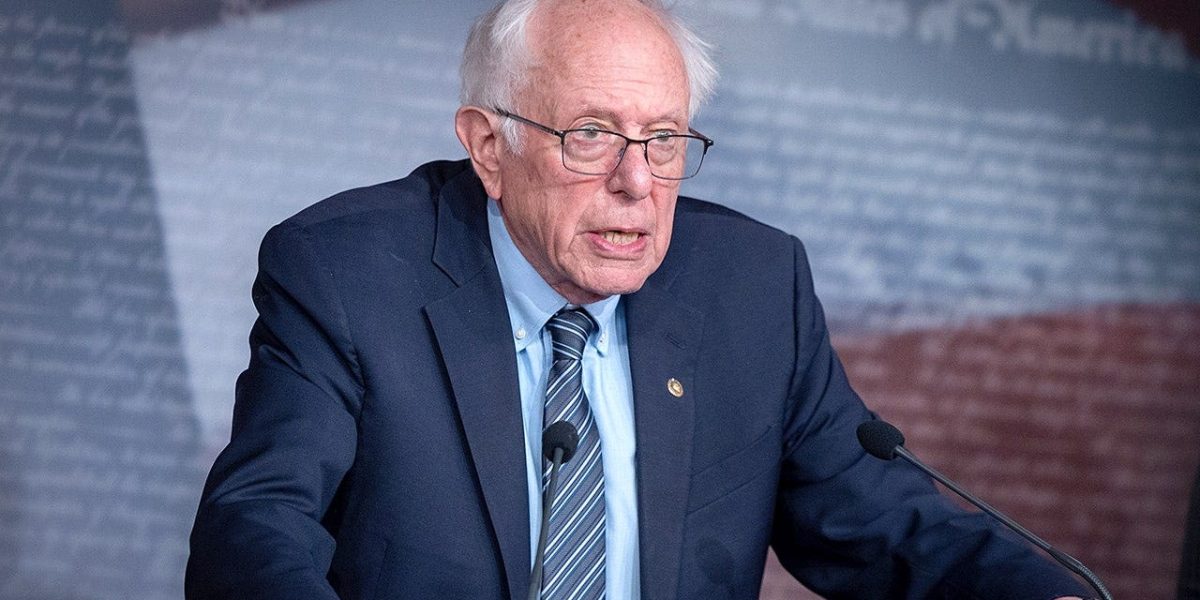
A plan floated by **Bernie Sanders**, a US Senator and 2020 Democratic presidential candidate, aims to take a significant stake in major AI players, sending shockwaves through the industry.
50% Stake in OpenAI and Anthropic
The proposal, which has raised eyebrows among tech and AI experts, would see the US government seize a 50% stake in companies like OpenAI, the creator of the popular AI model ChatGPT, and Anthropic, a prominent AI research firm. The move is part of a broader effort to establish a sovereign wealth fund, which would be used to invest in key technologies, including AI.
The fund would be modeled after Norway’s sovereign wealth fund, which is the largest sovereign wealth fund in the world and is valued at over $1.3 trillion. The idea is to use the fund to invest in key sectors, such as renewable energy and healthcare, while also ensuring that the US maintains a competitive edge in emerging technologies like AI.
Critics Say It’s a Power Grab
However, critics are warning that the plan could be a power grab by the government, which could stifle innovation and stifle competition in the AI industry. They argue that the US has a long history of encouraging private enterprise and innovation, and that government control of key sectors could have unintended consequences.
Another concern is that the plan could create a conflict of interest, where the government is both a regulator and a major investor in the AI industry. This could lead to biased decision-making and undermine the integrity of the regulatory process.
What This Means
The proposal highlights the growing tension between the need for government oversight and regulation in the AI industry, and the need to encourage innovation and competition. As AI continues to shape our world, it’s clear that governments will have to grapple with these complex issues in the years to come. For now, the proposal remains a contentious topic, with many experts debating its merits and potential consequences.