AI-Powered Question Banks and Zero-Trust Architecture: NTA’s Post-Leak Plan
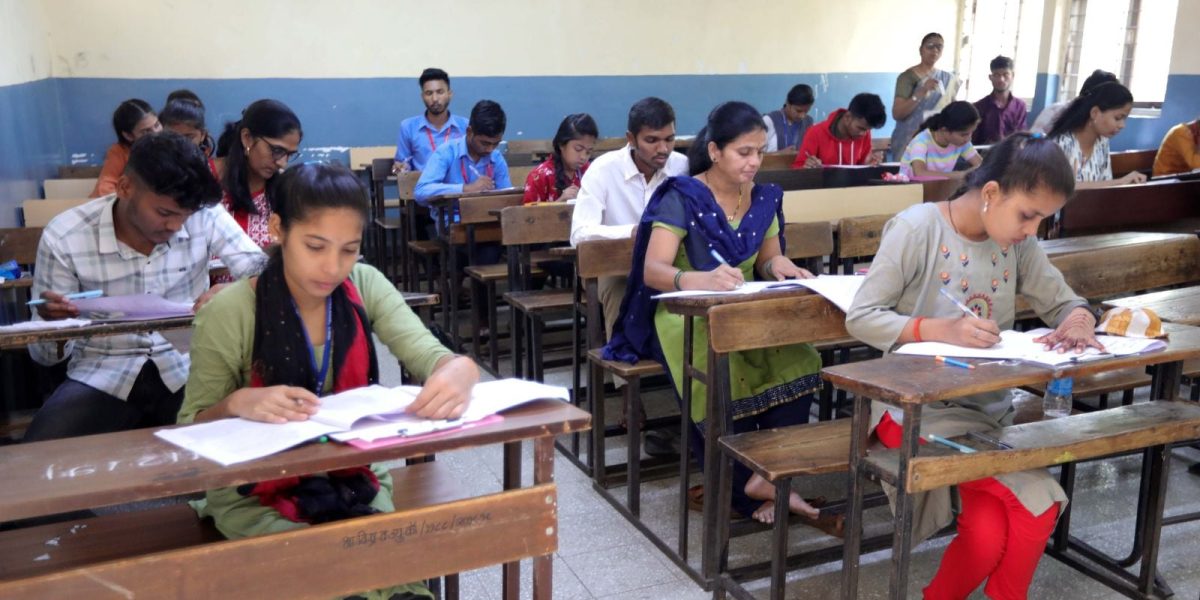
The National Testing Agency (NTA) is scrambling to revamp the sensitive question-setting process for the National Eligibility cum Entrance Test for Undergraduates (NEET-UG) after the 2026 exam paper leak. A plan to create a central question bank and use AI for translations aims to prevent similar breaches by implementing a “zero-trust architecture.”
The leak exposed vulnerabilities at the most confidential stage of the examination process, raising concerns about the security and authenticity of future exams. NTA officials have been working on a fundamental redesign of the question-setting process to ensure no single person has visibility of the full paper. This is expected to be achieved through the use of AI for translations and the creation of a central question bank.
Data Isolation and AI-Driven Secrecy
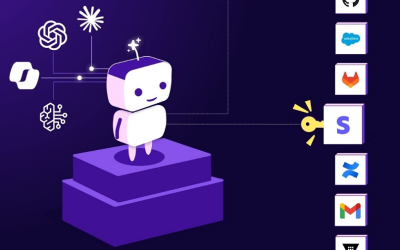
The central question bank will isolate individual questions and distribute them across multiple platforms and teams. This means that each question setter will only have access to a limited portion of the paper, and AI-driven systems will ensure that the translations are accurate and consistent across different languages.
The goal, according to NTA officials, is to create a “zero-trust architecture” that assumes all data is compromised, and therefore, no single person has access to the full paper. This strategy aims to minimize the risk of leaks and ensure the integrity of the examination process.
Practical Implications and What This Means
The NTA’s plan has significant implications for future exams, including the use of AI in question selection and translation. This means that students will have to adapt to a more complex and dynamic examination process, where questions may be translated and presented in different formats.
The shift towards a zero-trust architecture will also require greater transparency and accountability from question setters and examination officials. As the examination process becomes more automated and reliant on AI, the potential for errors and biases will need to be carefully managed.