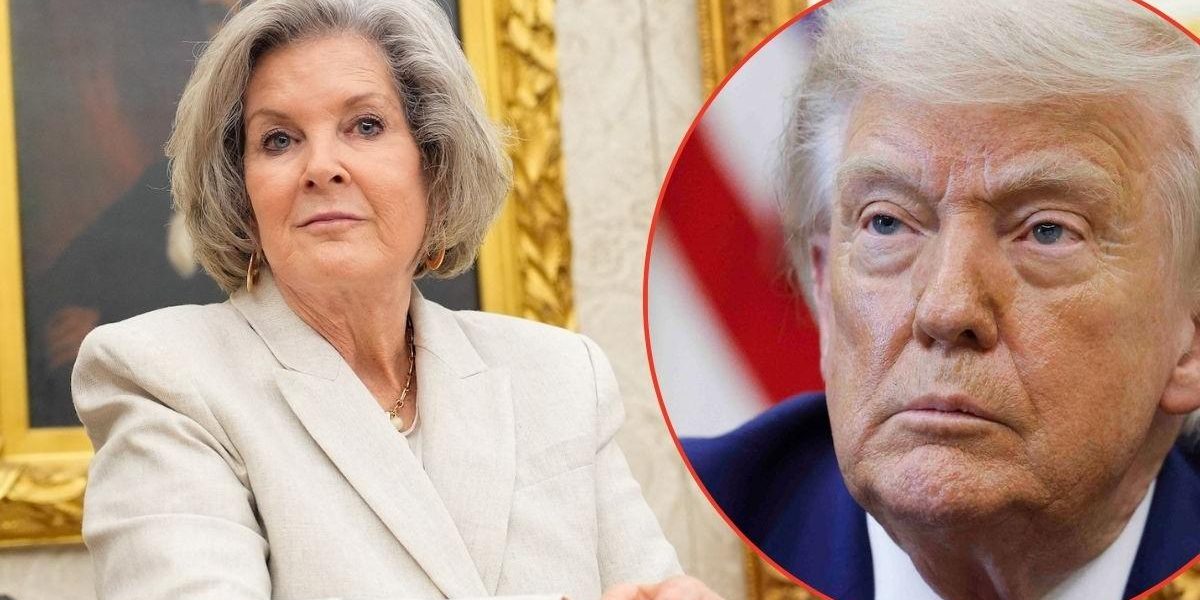
Donald Trump has finally signed an executive order to regulate AI technology, marking a significant shift in the administration’s stance on the rapidly advancing field.
Susie Wiles’ Quiet Influence
Behind-the-scenes efforts by Susie Wiles, Trump’s Chief of Staff, appear to have swayed the president’s decision. Wiles, a key advisor, has been pushing for regulation of AI to avoid a potential competitive disadvantage for the US. Her efforts come as the tech landscape continues to change at an astonishing pace, with China and other nations making significant strides in AI research and development.
Trump’s reluctance to sign the order earlier stemmed from concerns about the US’s position as a global leader in AI. “We’re leading China, we’re leading everybody,” he said in a previous interview, “and I don’t want to do anything that’s going to get in the way of that lead.” However, Wiles’ advocacy has apparently convinced him that regulation is necessary to ensure the US maintains its competitive edge.
Executive Order Details
The executive order outlines a framework for the development and use of AI technology in the US. It includes provisions for transparency, accountability, and security, aiming to prevent potential misuses of AI. While the order does not impose hard regulations, it sets a clear direction for the federal government’s approach to AI.
Details of the order, including specific requirements for AI development and deployment, are expected to be fleshed out in the coming weeks. Industry insiders are watching closely to see how the new regulations will affect the sector, with some expressing relief at the administration’s shift in stance and others voicing concerns about the potential impact on innovation.
What this means
The executive order represents a significant step towards regulation of AI in the US. For businesses and individuals working with AI technology, this means a clearer understanding of the expectations and guidelines for AI development and deployment. While the regulations are still in their early stages, the order sets a precedent for the federal government’s approach to AI and marks a shift towards greater accountability and transparency in the field.