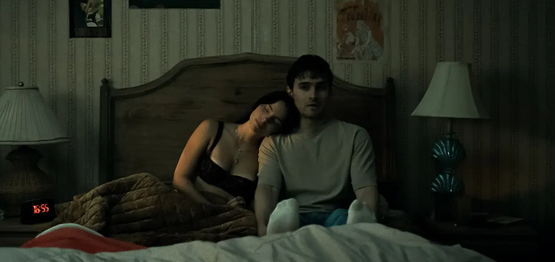
A recent wave of horror films is tapping into a dark and unsettling trend: the rise of incel horror. Films like Curry Barker’s Obsession, and movies like Companion, Dont Worry Darling, The Menu, Passengers, and more, are using the genre to explore the darker side of toxic masculinity and male entitlement.
Incels in the Shadows
The term “incel” refers to men who identify as involuntary celibates, often harboring resentment and anger towards women who they feel have wronged them. These sentiments are now seeping into horror films, where they’re being used to create a sense of unease and tension. In Obsession, for example, the main character’s obsession with a woman is rooted in his feelings of entitlement and anger towards her perceived rejection.
“Obsession” is a film that takes its time, building a sense of unease as the main character’s fixation on the woman grows more and more intense. But it’s also a film that’s not afraid to confront the darker aspects of toxic masculinity. The film’s portrayal of the incel culture is stark and unflinching, and it’s a portrayal that will no doubt resonate with many viewers.
The Monster Within
What’s interesting about incel horror is the way it often subverts traditional horror tropes. In many horror films, the monster is an external force that the protagonist must confront and defeat. But in incel horror, the monster is often the male protagonist himself, whose toxic attitudes and behaviors are the source of the horror.
In Obsession, the main character’s descent into madness is a result of his own internal demons, rather than any external force. This is a clever twist on the traditional horror formula, and it adds a layer of depth and complexity to the film that makes it more thought-provoking than your average horror movie.
What this means
So what does this trend in incel horror mean for us? It means that we’re finally starting to confront the darker aspects of toxic masculinity head-on. It means that we’re recognizing the harm that these attitudes can cause, not just to women, but to men themselves. And it means that we’re starting to explore ways to create positive change and to promote healthier attitudes towards relationships and intimacy.