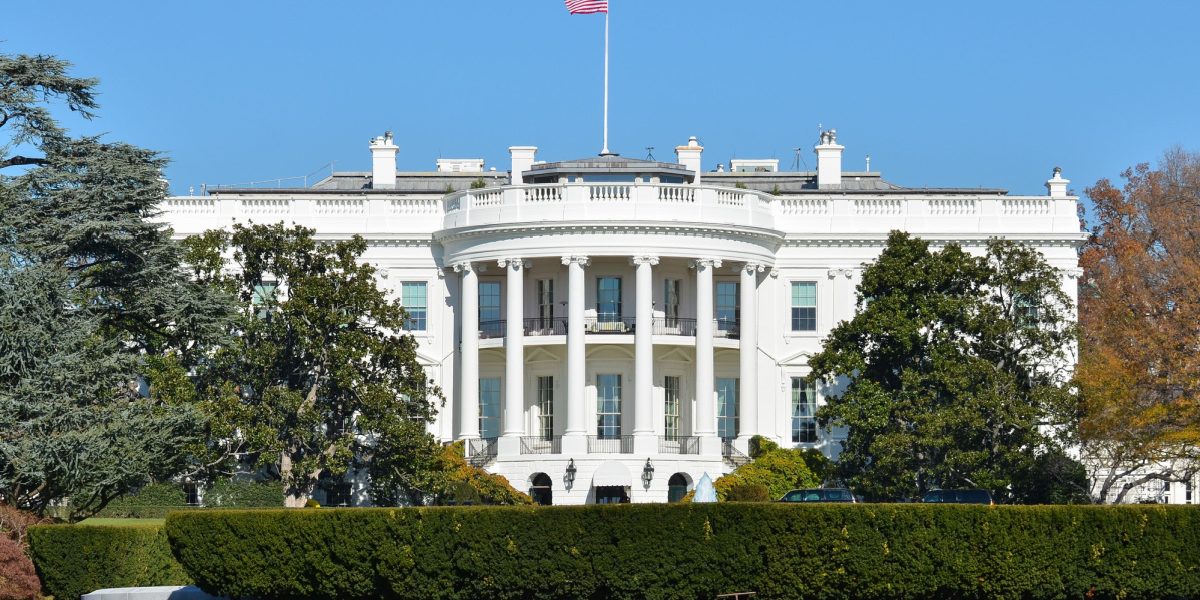
A new White House executive order aims to tap into the latest artificial intelligence models, just as they’re about to hit the market.
President Donald Trump signed the order, which asks companies to voluntarily participate in benchmarking tests to assess an AI model’s capabilities before it’s released. The move is seen as a nod to the increasingly influential role AI plays in shaping our lives, from customer service chatbots to healthcare diagnostics.
Benchmarking AI: What’s at Stake
The White House order focuses on ensuring that AI systems are transparent, explainable, and unbiased. Companies will be asked to provide access to their AI models for evaluation and testing before they’re released to the public. This access will help regulators and experts understand how AI systems are making decisions.
This emphasis on AI transparency comes at a time when there are growing concerns about the impact of AI on society. Critics argue that AI systems can perpetuate biases and reinforce existing inequalities. By testing AI models before they’re released, the White House hopes to prevent or mitigate these issues.
What This Means for You
While this executive order may not have an immediate impact on everyday life, it’s a step towards creating more accountable AI systems. As AI becomes increasingly pervasive, it’s essential to ensure that these systems are serving the public interest. By making AI more transparent and explainable, we can build trust in these systems and prevent potential misuses.
Companies like Google, Facebook, and Microsoft have already started working on explainable AI models, which provide insights into the decision-making process behind AI-driven outcomes. The White House order could give these efforts a boost, paving the way for more responsible AI development.
The Future of AI Regulation
The White House executive order is part of a broader trend towards regulating AI. In 2020, the US Congress passed the National AI Initiative Act, which aims to promote AI development while ensuring its safe and beneficial use. The European Union has also introduced the Artificial Intelligence Act, which will impose stricter regulations on AI development and deployment.
As AI continues to shape our lives, it’s essential to have a robust regulatory framework in place. The White House executive order may be just the beginning of a new era of AI accountability, one that prioritizes transparency, explainability, and the public interest.