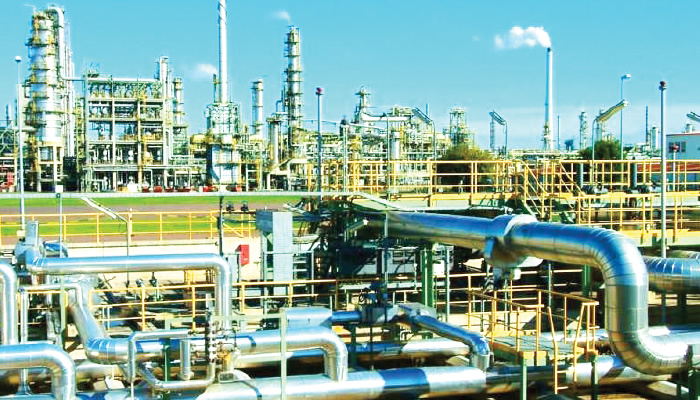
Nigeria’s Dangote Petroleum Refinery, touted as the largest single train petroleum refinery in the world, is facing a price war after the Nigerian National Petroleum Company (NNPC) backed fuel imports and warned against monopoly control and high prices.
NNPC Takes a Stand
The NNPC’s opposition to Dangote’s dominance in the fuel market may have significant implications for the country’s energy landscape. According to a court document filed by the NNPC, petroleum products from the Dangote refinery are sold at significantly higher prices than imported fuel, with prices ranging from N200 to N300 per liter for Dangote’s products, compared to N170 to N230 per liter for imported fuel.
This price disparity has raised concerns that Dangote’s monopoly control over the fuel market may be driving up prices for consumers. The NNPC’s warning against monopoly control is a significant shift in the company’s stance, as it had previously been seen as a supporter of Dangote’s plans to dominate the fuel market.
What this means
The NNPC’s opposition to Dangote’s dominance in the fuel market may lead to increased competition and lower prices for consumers. This could be a major win for the people of Nigeria, who have long suffered from high fuel prices. However, it remains to be seen how this will play out in the court battle between Dangote and the NNPC.
The Dangote refinery, which is still in its testing phase, is expected to produce 650,000 barrels of oil per day. The refinery is a major investment in the Nigerian energy sector and has been touted as a game-changer for the country’s economy. However, the NNPC’s opposition to Dangote’s dominance in the fuel market may raise questions about the long-term viability of the refinery.
A Court Battle Ahead
The dispute between Dangote and the NNPC is now before a Federal High Court in Lagos, which will determine the fate of the Dangote refinery and the fuel market in Nigeria. The court will have to navigate the complex issues involved in this case, including the implications of monopoly control and the impact on consumer prices.