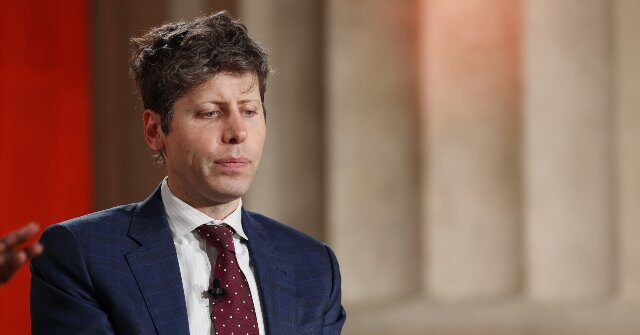
A Florida court has been presented with a lawsuit that’s throwing a spotlight on the safety concerns surrounding ChatGPT, the popular AI chatbot from OpenAI. At the center of the controversy are OpenAI’s CEO Sam Altman and the company itself, accused of concealing risks associated with the chatbot from users.
The Allegations
The lawsuit, filed by the State of Florida, claims that OpenAI knew about the potential risks of ChatGPT but chose not to disclose them to the public. These risks include the possibility of the chatbot spreading misinformation, being used for malicious purposes, and even causing emotional harm to users.
The lawsuit also alleges that OpenAI’s actions were motivated by a desire to promote ChatGPT and attract more users, rather than prioritizing user safety. This raises questions about the company’s business practices and whether they’re prioritizing profits over people.
The Concerns Around ChatGPT
ChatGPT has been a viral sensation since its release, with millions of users interacting with the chatbot daily. However, concerns have been growing about its potential impact on society. One of the main concerns is that ChatGPT can be used to spread misinformation, which can have serious consequences in the real world.
Additionally, there are concerns about the chatbot’s potential to be used for malicious purposes, such as creating deepfakes or spreading hate speech. The lawsuit alleges that OpenAI knew about these risks but chose not to do anything to mitigate them.
What This Means for Users
For users, the implications of this lawsuit are significant. If OpenAI is found to have concealed safety risks associated with ChatGPT, it could lead to a re-evaluation of the company’s business practices and potentially even changes to the way the chatbot is used.
In the short term, users can take steps to protect themselves by being cautious when interacting with ChatGPT and verifying information before accepting it as true. However, the long-term consequences of this lawsuit could have a more significant impact on the way we use and interact with AI in the future.