**Central Bank Governor Cardoso Unveils Blueprint for Nigeria’s Payment System**
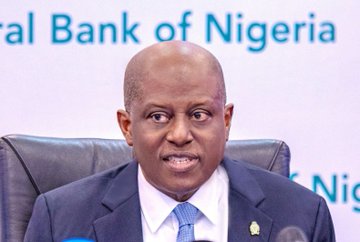
Nigeria’s Central Bank Governor, Olayemi Cardoso, has unveiled a strategy to create a world-class payment system by 2028, aiming to lift millions of Nigerians out of poverty.
The Payment System Vision 2028, as it’s called, centers around an efficient payment system that reduces inequality and boosts financial inclusion. Cardoso, a champion of digital payments, believes that this initiative will be the key to unlocking economic growth and poverty reduction in the country.
**Why an Efficient Payment System Matters**
The vision is built on the premise that a well-designed payment system can have a profound impact on people’s lives. With the right infrastructure in place, Nigerians can access financial services more easily, make transactions securely and at lower costs, and receive timely payments. This means that the poor, who are often excluded from the formal financial sector, will have better access to basic services, education, healthcare, and social services.
**The Road to 2028**
The Payment System Vision 2028 outlines several key objectives, including the expansion of digital payment channels, improved cybersecurity, and enhanced financial inclusion. To achieve these goals, the Central Bank will be working with various stakeholders, including banks, fintech companies, and government agencies.
**What This Means for Nigerians**
The successful implementation of the Payment System Vision 2028 could have far-reaching implications for Nigerians. Reduced transaction costs, easier access to financial services, and improved cybersecurity will make the lives of millions of people better. Additionally, the increased adoption of digital payments will create new opportunities for entrepreneurs, small businesses, and the overall economy.
**A New Era for Nigeria’s Payment System**
Cardoso’s Payment System Vision 2028 is a bold step towards creating a more inclusive and efficient financial ecosystem. As Nigeria continues to grapple with poverty and inequality, this initiative could be the catalyst for a new era of economic growth and development. We’ll be watching closely to see how this vision unfolds and how it impacts the lives of Nigerians.