Neural Network Smashes ‘Doom’ with Lab-Grown Brain Cells
Australian researchers have successfully grown a human brain-inspired neural network on a silicon computer chip, and it’s just crushed the classic game “Doom.” Yes, you read that right – a network of lab-grown brain cells has mastered the iconic 1990s shooter.
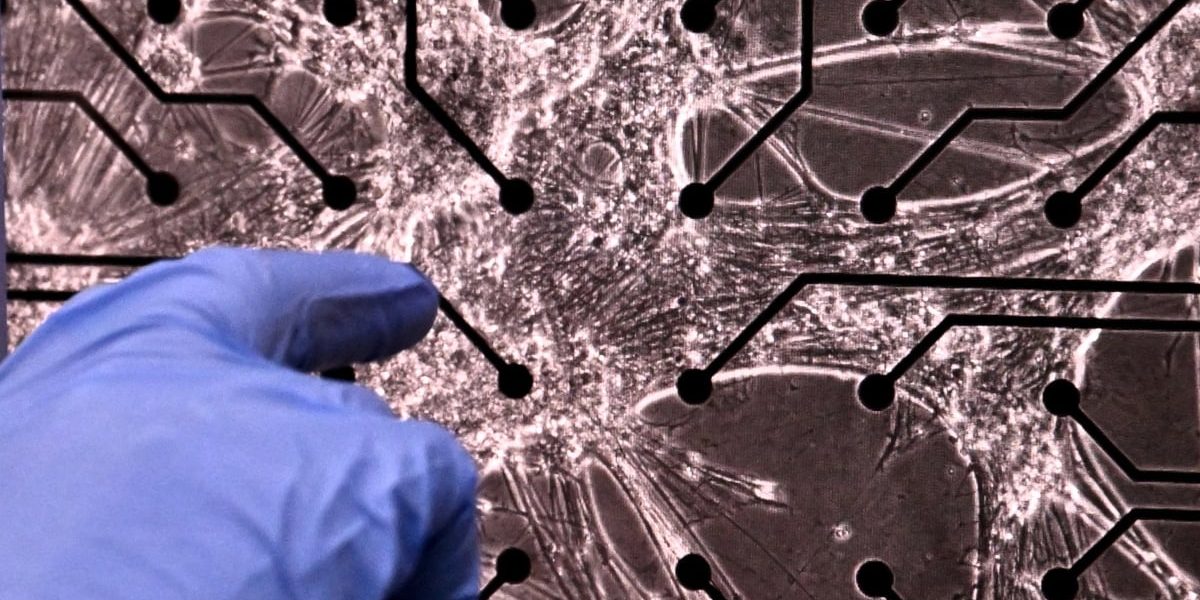
Developed by a team at the University of Sydney, the neural network consists of a tiny cluster of brain cells, or neurons, grown on a microchip. To train these neurons, the researchers used a variant of the popular reinforcement learning algorithm, known as Q-learning. They fed the game’s video feed and audio signals into the neural network, allowing it to learn and adapt in real-time.
The results were astonishing: the AI playing “Doom” was able to navigate its way through the game’s increasingly challenging levels with surprising ease. “We’re just scratching the surface of what these neurons could be capable of doing,” said Professor David Allworth, lead researcher on the project. “By combining lab-grown brain cells with AI algorithms, we’re creating a new kind of computing power that’s both powerful and energy-efficient.”
Neural Chips: A Potential Breakthrough
If we consider the implications of this breakthrough, it’s clear that lab-grown brain cells on a microchip could revolutionize various fields, from healthcare to computing.
The researchers believe that their neural network could be used to develop more efficient AI algorithms, potentially leading to breakthroughs in areas such as robotics, autonomous vehicles, and image recognition. Additionally, the use of lab-grown brain cells could lead to a better understanding of how the human brain functions, paving the way for new treatments and therapies for neurological disorders.
What this means:
The Australian researchers’ achievement showcases the vast potential of combining lab-grown brain cells with AI algorithms. As this technology continues to evolve, we can expect to see significant advancements in various industries and a deeper understanding of the human brain’s workings.