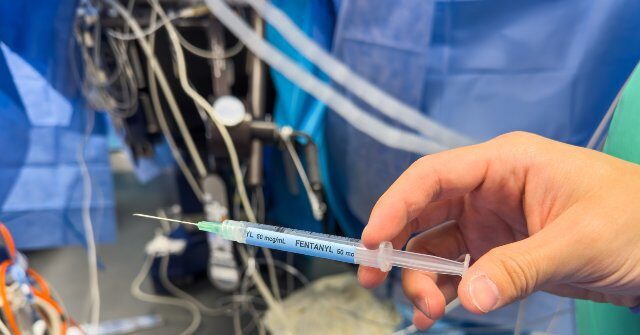
A $100,000 AI-powered medication monitoring system failed to detect months of fentanyl theft by a nurse at Tennessee’s largest hospital in Chattanooga. The system, designed to prevent medication errors and diversion, was supposed to provide real-time alerts for suspicious activity. However, it didn’t catch anything until the nurse confessed to administering 14,000 doses of the potent opioid to herself over a four-month period.
What Went Wrong?
According to state nursing board records, the nurse, **Tammy Morales**, was able to manipulate the system by altering medication counts and avoiding the automated tracking process. The AI-driven system relied on data input from hospital staff, which made it vulnerable to human error and manipulation.
Why This Matters
The failure of the AI system raises questions about the effectiveness of artificial intelligence in high-stakes settings like hospitals. With the opioid crisis continuing to escalate, it’s alarming that a nurse was able to exploit the system to fuel her own addiction.
Regulatory Scrutiny and Industry Reactions
The Tennessee Board of Nursing has launched an investigation into the incident, and the hospital is reviewing its own policies and procedures for medication management. The manufacturer of the AI system, **CarePredict**, has promised to “update and improve” its product to prevent similar failures. However, experts warn that more robust testing and regulation are needed to ensure the reliability and security of AI systems in healthcare.
What this means: AI-driven systems are only as good as the data they’re fed and the people who use them. Hospitals and healthcare organizations must prioritize rigorous testing, security measures, and transparency to prevent similar incidents and ensure patient safety.