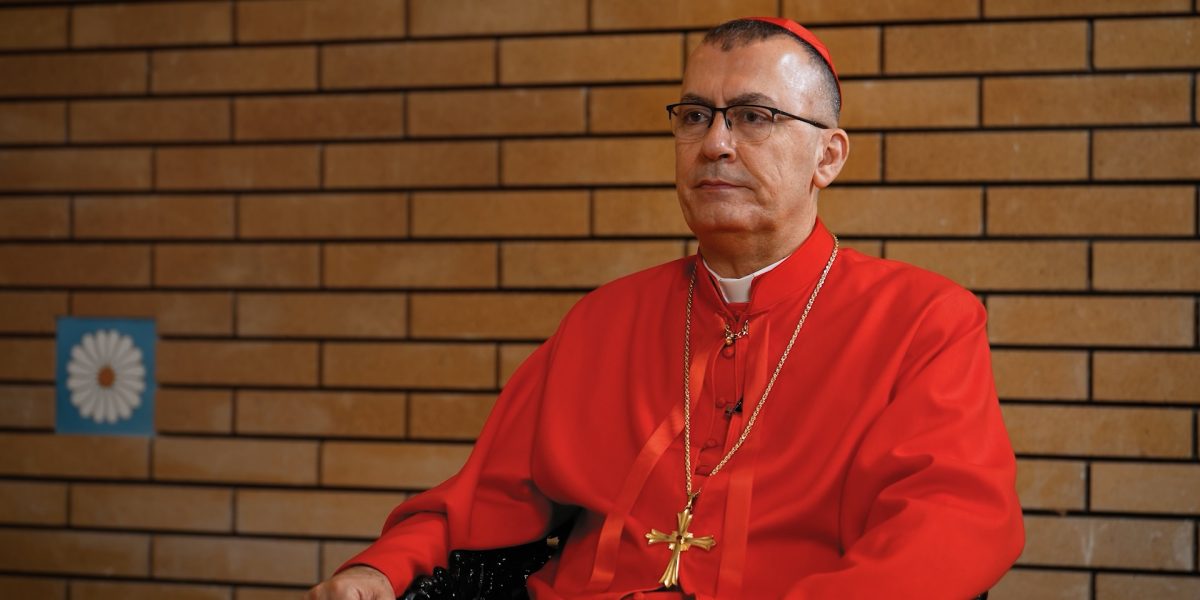
Patriarch Paul III Nona, the newly elected head of the Chaldean Church, has called for unity, peace, and support for Christians in the Middle East. This plea comes as the region continues to face immense turmoil and persecution.
A Chaldean patriarch has been elected in April following the resignation of Cardinal Louis Raphael Sako. Patriarch Paul III Nona is the son of Archbishop Amel Shamon Nona, who was elected in April.
The patriarch didn’t shy away from expressing the weight of responsibility he feels after the Chaldean Synod announced his election as the head of the Chaldean Church. He described the moment as ‘difficult’, and it seems that the challenges have already begun to manifest.
The Middle East has been plagued by violence and persecution, which has led to the displacement of many Christians. The situation has grown more dire as ISIS and other extremist groups continue to wreak havoc on the region.
As the patriarch seeks unity and peace, the need for global support becomes increasingly evident. Many are left questioning the fate of the Chaldean Church and other Christian communities in the region.
### A Call to Action
The patriarch’s plea for unity and support serves as a reminder of the dire situation faced by Christians in the Middle East. It highlights the need for global efforts to address the root causes of the conflict and protect minority communities.
The patriarch has called on the international community to provide aid and support to Christians in the region, particularly those who have been displaced. His message echoes a growing sentiment that the global community must do more to protect and preserve the region’s cultural and religious diversity.
### A Chance for Unity
The patriarch’s message also presents an opportunity for unity and cooperation among different faith groups and communities. In a region plagued by sectarian divisions, the patriarch’s call for peace and unity could be a step towards healing and reconciliation.
### What this means
The patriarch’s plea for unity and support serves as a poignant reminder of the human cost of conflict and persecution. It highlights the need for global efforts to protect minority communities and promote peace and stability in the region. As the world watches the situation unfold, it becomes increasingly clear that the fate of Christians in the Middle East hangs in the balance.