Pause Point: Android 17’s Anti-Doomscrolling Secret Sauce
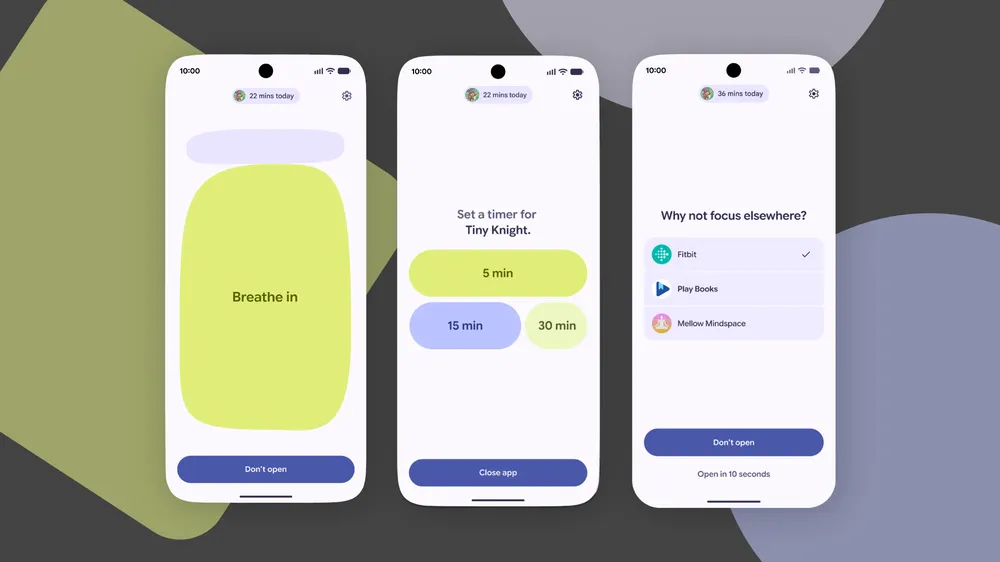
Google’s latest smartphone update, Android 17, boasts a surprising feature that’s got nothing to do with AI: Pause Point. This clever tool harnesses the power of human psychology to combat the addictive habit of mindless phone scrolling.
Breaking the Dopamine Loop
For years, tech companies have touted AI as the ultimate solution to our increasingly screen-dependent lives. Yet, it’s a clever non-AI tool that’s set to revolutionize the way we interact with our devices. Pause Point uses a combination of psychology and design to interrupt the “dopamine loop” that keeps us scrolling through social media, news feeds, and other engaging content.
The Psychology Behind Pause Point
It’s not hard to understand why we get hooked on mindless scrolling. As soon as we see a notification or a catchy headline, our brain releases a dopamine hit, encouraging us to keep swiping. Pause Point intervenes at this critical moment, prompting users to take a step back and reassess their phone use. By inserting a brief pause between the notification and the scroll, Pause Point allows users to choose whether or not they really want to engage with that particular content.
What This Means
Pause Point is more than just a novelty feature – it’s a much-needed respite from the endless stream of notifications and updates that dominate our daily lives. By acknowledging the psychological factors driving our phone addiction, Google is taking a significant step towards creating a healthier relationship between users and their devices. As we continue to rely on our smartphones for information, connection, and entertainment, tools like Pause Point will become increasingly essential for maintaining a balance between tech use and real-life experiences.
In practice, Pause Point means you’ll start to see a prompt asking you to confirm whether you want to continue scrolling or take a break. It’s a simple yet effective way to regain control over your screen time, and it’s a testament to Google’s growing understanding of the intricate psychology behind tech addiction. As we look ahead to the future of smartphone design, it’s heartening to see that sometimes the most innovative solutions don’t rely on AI at all – but on a deeper understanding of human behavior.