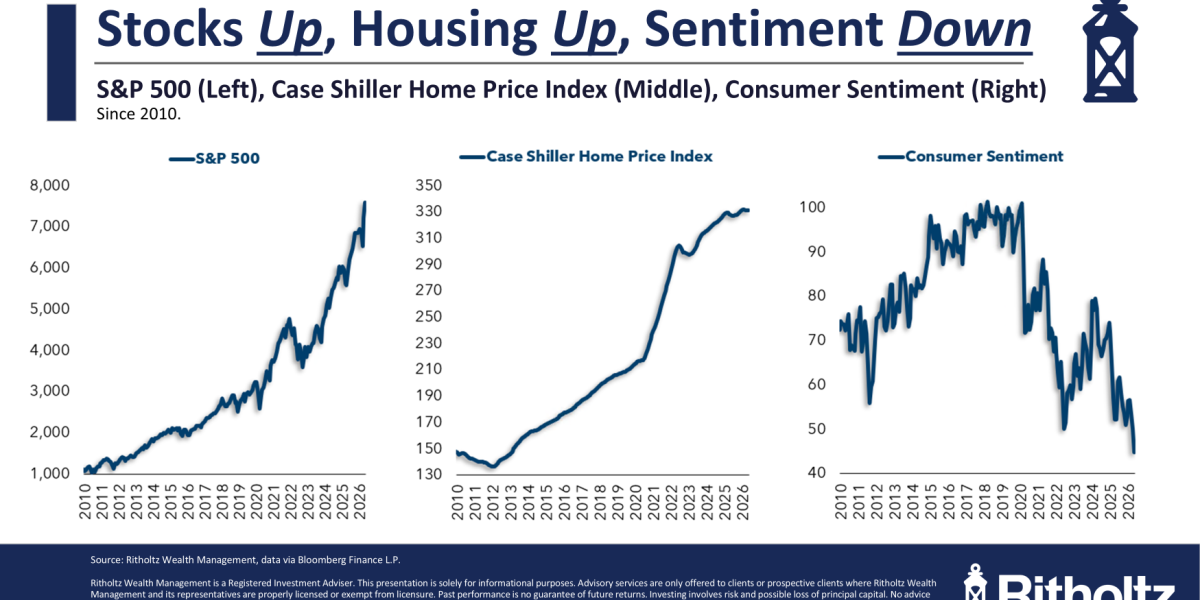
A record 54.4% of American consumers now say the economy is “bad” or “very bad.” This is the lowest reading since the Consumer Sentiment Index began tracking this metric in 1952.
The Numbers Don’t Lie
The Consumer Sentiment Index, compiled by the University of Michigan, has been a reliable predictor of economic downturns and consumer behavior. The current reading of 54.4% marks a significant decline from just a few years ago, when nearly 70% of consumers said the economy was good or excellent.
So, why are consumers so pessimistic? The answers are complex and multifaceted, but they’re worth exploring. Inflation is one major factor, as rising prices erode purchasing power and reduce disposable income. This is particularly true for lower- and middle-income households, which often struggle to make ends meet.
Higher Interest Rates to Blame?
Another factor is the Federal Reserve’s decision to raise interest rates, which has made borrowing more expensive and reduced consumer spending. Higher interest rates can also lead to higher costs for businesses, which may cut back on investments and hiring.
The recent collapse of several major banks, including Silicon Valley Bank and Silvergate Bank, has also contributed to the decline in consumer sentiment. The banking crisis has led to concerns about the stability of the financial system and the potential for future economic shocks.
What this means
The latest consumer sentiment reading should serve as a warning sign for policymakers and business leaders. If consumers remain pessimistic, it could lead to reduced spending and economic growth. This, in turn, could have serious consequences for businesses and employees who rely on consumer demand to stay afloat.
As the economy continues to navigate uncertain waters, it’s essential to monitor consumer sentiment and adjust monetary and fiscal policies accordingly. By taking proactive steps to address the root causes of consumer pessimism, policymakers may be able to stabilize the economy and boost consumer confidence.
At the very least, it’s clear that consumers are feeling the pinch. Will their concerns be heard, or will policymakers remain out of touch? Only time will tell.