Armenia’s bid to join the European Union has sparked a cold warning from its regional neighbors: if you choose Brussels over Moscow, we’ll freeze your ties with us.
Ultranationalism in the Eurasian Economic Union
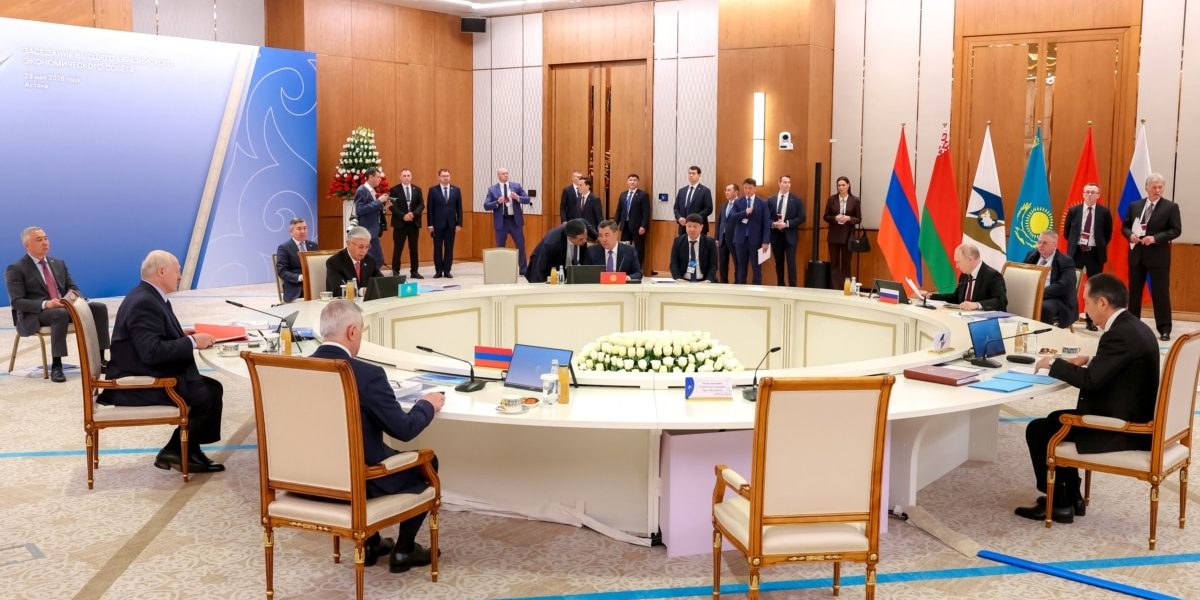
The Eurasian Economic Union (EAEU), a Moscow-led bloc comprising Russia, Belarus, Kazakhstan, and Kyrgyzstan, has threatened to suspend Armenia’s membership over its pursuit of EU membership. This move comes as a shock, given Armenia’s long-standing ties with Russia, its primary trade partner and military ally.
The EAEU’s warning is a stark reminder of the ongoing tensions in the post-Soviet space. The regional dynamic is complex, with various nations jockeying for influence in their respective spheres of interest. This has led to a situation where some nations are now caught between two superpowers: Russia and the European Union.
Arsenic in Armenia’s EU relations
Armenia’s decision to pursue EU membership has been driven by a desire for stronger economic ties and greater political leverage. However, this move has not gone down well with its EAEU partners, who view it as a betrayal of their shared interests.
At the heart of this dispute lies a deeper issue: the question of sovereignty and regional influence. For years, Russia has maintained a tight grip on its regional partners, using economic and military levers to ensure compliance with its policies.
What this means: For Armenia, the consequences of this EAEU ultimatum are far-reaching. A suspension of its membership could lead to significant economic and trade losses, potentially crippling its economy and undermining its ability to pursue its EU ambitions. This development highlights the delicate balancing act that nations must perform in their relations with powerful neighbors.
Russian interests at stake
The EAEU’s ultimatum also serves as a test of Russia’s influence in the region. As a major power, it is determined to protect its interests and maintain its regional hegemony.
Russia’s actions in the Caucasus region have significant implications for the global balance of power. The dispute over Armenia’s EU membership is a symptom of a larger game, with far-reaching consequences for international relations and global stability.