<Pope Leo XIV Issues Stark Warning on AI in Classrooms and Homes
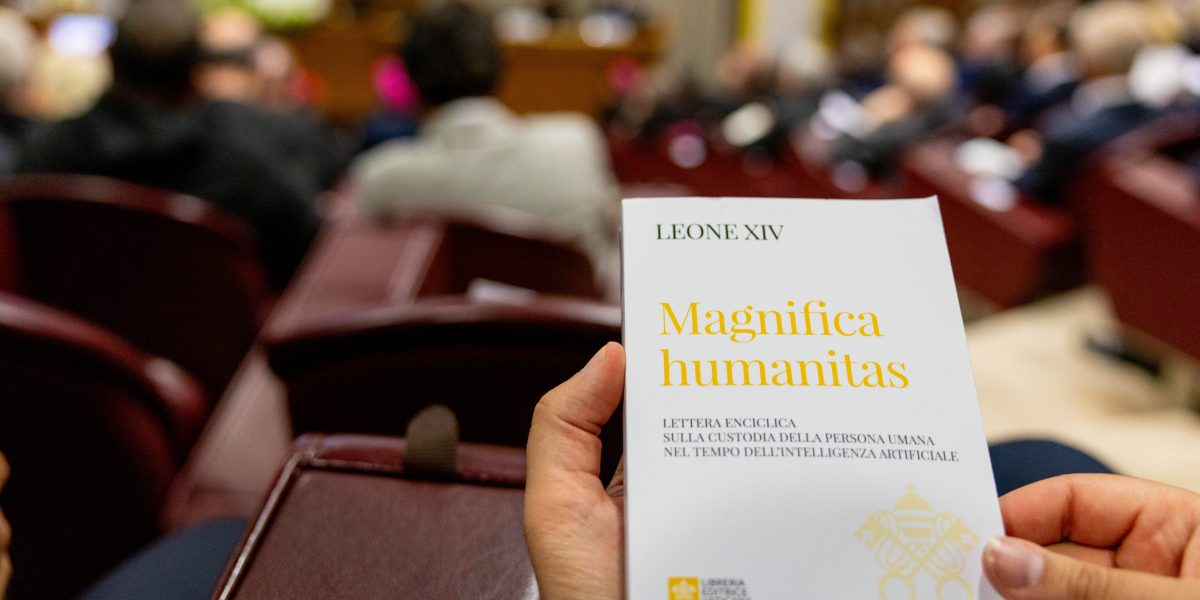
The Vatican’s first-ever encyclical, Magnifica Humanitas, is sparking alarm over the unchecked use of AI in education and family life. In a stern call to action, Pope Leo XIV is urging educators and parents to reconsider how they’re incorporating artificial intelligence into the lives of young people.
The AI-powered revolution is transforming classrooms and living rooms, but the Pope is raising red flags about the consequences of unchecked digital influence. With AI increasingly woven into lesson plans and home routines, the stakes are high: can we afford to sacrifice essential human values in the name of progress?
### A Call to Reassess the AI Agenda
In Magnifica Humanitas, the Pope emphasizes the need for a more nuanced approach to AI, one that prioritizes the unique needs and vulnerabilities of children and adolescents. He’s urging educators and policymakers to scrutinize the impact of AI on young people’s cognitive, emotional, and social development.
The Pope notes that AI can be a powerful tool for education, but it also poses significant risks, from exacerbating social isolation to perpetuating biased learning outcomes. By acknowledging these complexities, he’s encouraging a more thoughtful and responsible integration of AI in schools and homes.
### When to Say ‘No’ to AI
So, when should we say ‘no’ to AI in the classroom and at home? According to the Pope, there are several scenarios where parents and educators should exercise caution or opt out of AI altogether.
One key area of concern is the use of AI-powered tutoring systems, which can create unrealistic expectations and reinforce a culture of dependency. The Pope also warns against over-reliance on AI-driven educational apps, which often prioritize convenience over critical thinking and creativity.
### What This Means for Families
As AI continues to reshape the educational landscape, Magnifica Humanitas serves as a timely reminder of the importance of human interaction and compassion in shaping young minds. By embracing a more cautious approach to AI, families can ensure that their children develop essential skills, values, and emotional intelligence in a rapidly changing world.
It’s not about rejecting AI entirely, but about striking a balance between the benefits of technology and the inherent worth of human relationships. By doing so, we can create a more inclusive, equitable, and compassionate society for all.