Azerbaijani Journalist’s Reflections Shed Light on Life Behind Bars
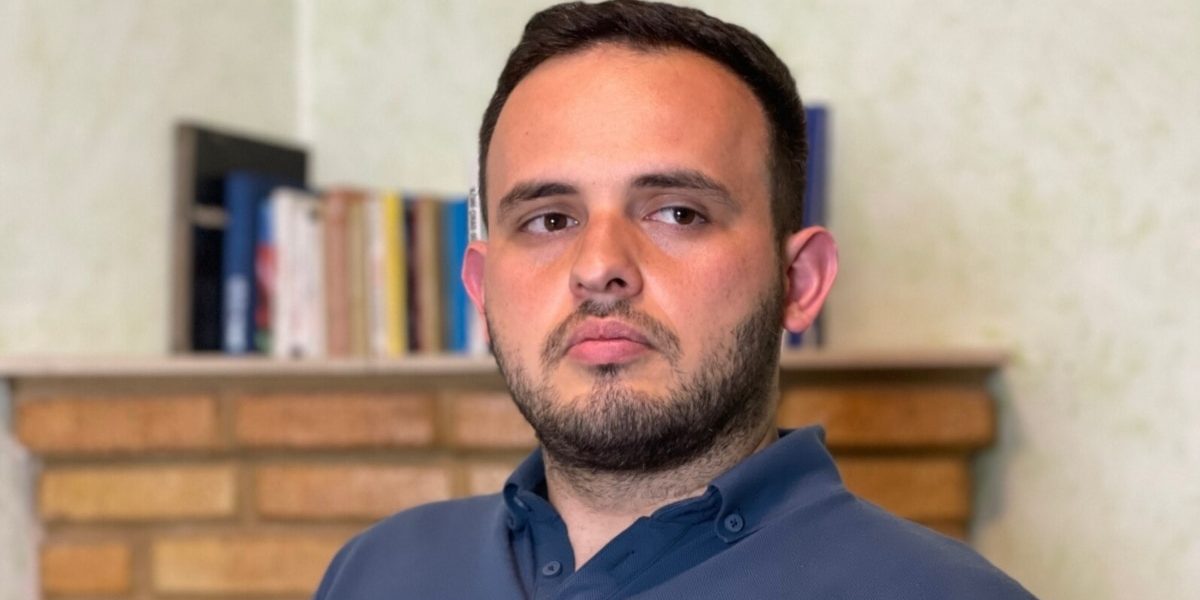
As Farid Mehralizada marks two years in Azerbaijani prison, his words are a stark reminder that even the most dire circumstances can yield unexpected insights. Mehralizada, an economist and journalist for RFE/RL’s Azerbaijani Service, has spent 730 days locked away, with a nine-year sentence that his supporters argue is an unjust punishment for his journalistic endeavors.
The Prison Economy: A Humanitarian Perspective
Mehralizada’s reflections from behind bars highlight the surprising complexity of prison life. He notes that prisoners have formed an informal economy, trading goods and services – everything from food to entertainment – within the prison walls. This makeshift marketplace has given rise to a hidden social hierarchy, with prisoners who control the flow of goods wielding considerable influence.
In a twist that underscores the resourcefulness of those confined, Mehralizada describes how prisoners use AI-generated content to create fake social media accounts and photos, often as a means of reaching out to their loved ones outside. His own family has shared an AI photo of him with his daughter, taken in a prison visit that was limited to a few minutes’ contact.
What this means
Mehralizada’s story serves as a poignant reminder of the human cost of press freedom restrictions. His imprisonment has not only silenced his voice as a journalist but has also left him separated from his family for an extended period. The makeshift economy within the prison, though it may seem peculiar, speaks to the resilience of those confined. It also highlights the ways in which technology can be both a tool for control and a means of communication in the most unexpected of circumstances.