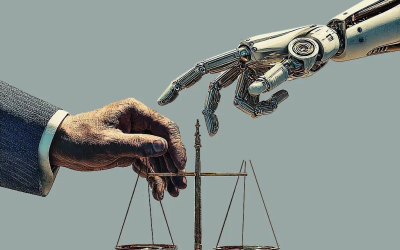
JD Vance, the **44th** Vice President of the United States, recently expressed his concerns about the growing influence of artificial intelligence (AI) in modern warfare. Speaking to graduating Air Force cadets, Vance cautioned against relying too heavily on AI systems, emphasizing the importance of human moral decision-making.
The use of AI in military contexts is becoming increasingly prevalent. Advances in machine learning and natural language processing have led to the development of sophisticated AI systems capable of analyzing vast amounts of data and making rapid decisions. However, these advancements also carry significant risks, particularly in the realm of warfare.
Vance’s warning highlights the potential consequences of delegating critical decisions to machines. He stressed that AI systems, no matter how advanced, lack the moral context and empathy essential for making informed decisions in complex, high-stakes situations. The Vice President’s concern is echoed by experts who question the accountability and transparency of AI-driven decision-making processes.
Avoiding the AI Trap
The fear that AI may surpass human decision-making capabilities is not new. Researchers like Eliezer Yudkowsky, a prominent figure in the field of AI safety, have long warned about the possibility of AI systems developing goals that are incompatible with human values.
What this means: As AI continues to play a greater role in warfare, policymakers and military leaders must prioritize developing guidelines and frameworks that ensure human oversight and accountability in AI-driven decision-making processes. This includes implementing robust checks and balances to prevent the unchecked growth of AI systems.
The intersection of AI and warfare raises fundamental questions about the nature of decision-making and human agency. By acknowledging the limitations of AI and the importance of human moral judgment, we can work towards creating a more responsible and equitable use of these technologies.