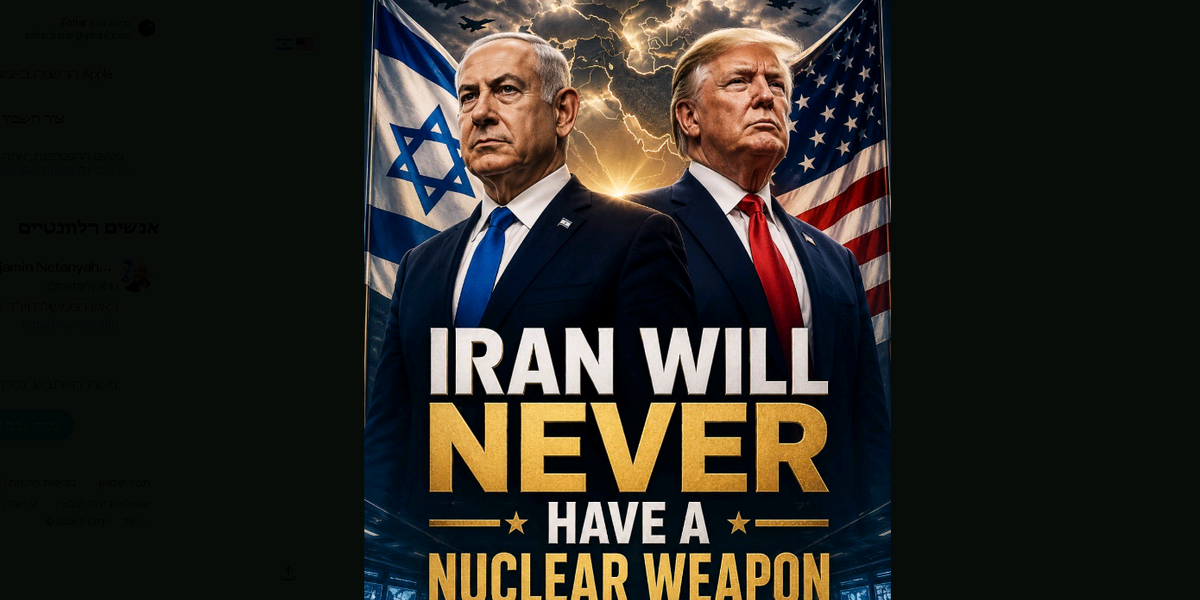
Politicians’ Infantile Behavior is a Warning Sign of Ineffective Leadership
Politicians who engage in childish, attention-seeking behavior on social media aren’t just being silly – they’re often hiding a lack of substance in their policies. This tactic is known as “infantile leadership,” and it’s more common than you think. Think **Donald Trump** and **Benjamin Netanyahu**, who frequently use Twitter to mock their opponents and stir up controversy.
Avoiding Serious Policy Discussions
Infantile leaders often use social media to distract from the real issues. Instead of engaging in meaningful policy discussions, they’ll share memes, attack their critics, or make outlandish claims. This approach may play well with some supporters, but it’s a red flag for anyone looking for thoughtful, evidence-based leadership. By avoiding serious policy debates, infantile leaders can sidestep accountability and maintain a veneer of populism.
The Dangers of Infantile Leadership
When politicians prioritize shallow, attention-grabbing tactics over thoughtful governance, they create a culture of childishness in the public sphere. This can lead to a breakdown in civil discourse, as people become more focused on reacting to provocative statements than engaging with meaningful issues. As a result, the public becomes desensitized to the importance of thoughtful, well-reasoned policy-making. This can have serious consequences, including increased polarization and a lack of progress on important issues.
What This Means
So what can you do if you’re concerned about infantile leadership? Here’s a simple tip: look beyond the tweets and soundbites. Demand more from your leaders, and expect them to engage in serious, evidence-based policy discussions. When you see your politician engaging in childish behavior, don’t be afraid to call them out on it. By holding leaders accountable for their actions, you can help create a culture of thoughtful, responsible governance.