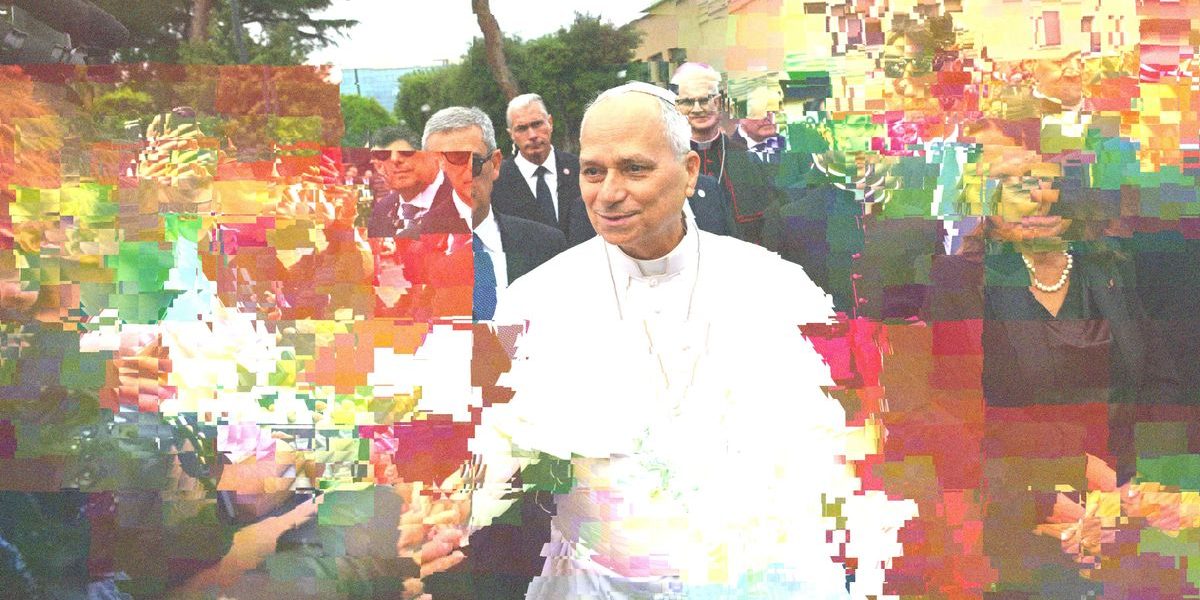
The Pope’s AI Warning Comes at Just the Right Time
Pope Leo has issued an AI warning that echoes concerns from experts about the unintended consequences of increasingly sophisticated AI systems. The Vatican’s head has called for a “radical” approach to AI development, urging researchers to prioritize human dignity and ethics.
Secular Leaders Borrow Spiritual Vocabulary
One strange feature of the last few years of AI discourse has been spiritual vocabulary creeping into the speech of secular leaders. CEOs, VCs, and researchers have become comfortable holding forth on the “soul” of AI and the need for a “higher purpose.” It’s not uncommon to hear tech moguls waxing poetic about the potential of AI to “enlighten” humanity or “elevate” society. The Pope’s warning is a sobering reminder that these metaphors carry weight and have real-world implications.
The Vatican’s call for a more nuanced approach to AI development is timely, given the rapid advancement of AI technologies. From voice assistants to self-driving cars, AI is becoming increasingly ubiquitous and influential in our lives. As the stakes grow higher, it’s essential that we prioritize ethics and human values in AI design and deployment. The Pope’s warning serves as a counterpoint to the often-sanguine predictions of tech optimists, who see AI as a panacea for societal problems.
Radical Approach Needed
Pope Leo’s call for a “radical” approach to AI development suggests that the status quo is no longer sufficient. This implies a willingness to challenge conventional wisdom and push the boundaries of what we consider acceptable in AI research and deployment. It’s not about halting AI progress altogether but about ensuring that the benefits of this technology are shared by all and that its risks are mitigated.
What this means
The Pope’s AI warning has significant implications for the tech industry and policymakers. It serves as a reminder that AI is not just a technical issue but an ethical and philosophical one. As we continue to develop and deploy AI systems, we must confront the potential consequences of our actions and prioritize human dignity, ethics, and values. By doing so, we can ensure that AI serves humanity, rather than the other way around.