A Pope’s Warning: AI Threats Echo Through the Ages
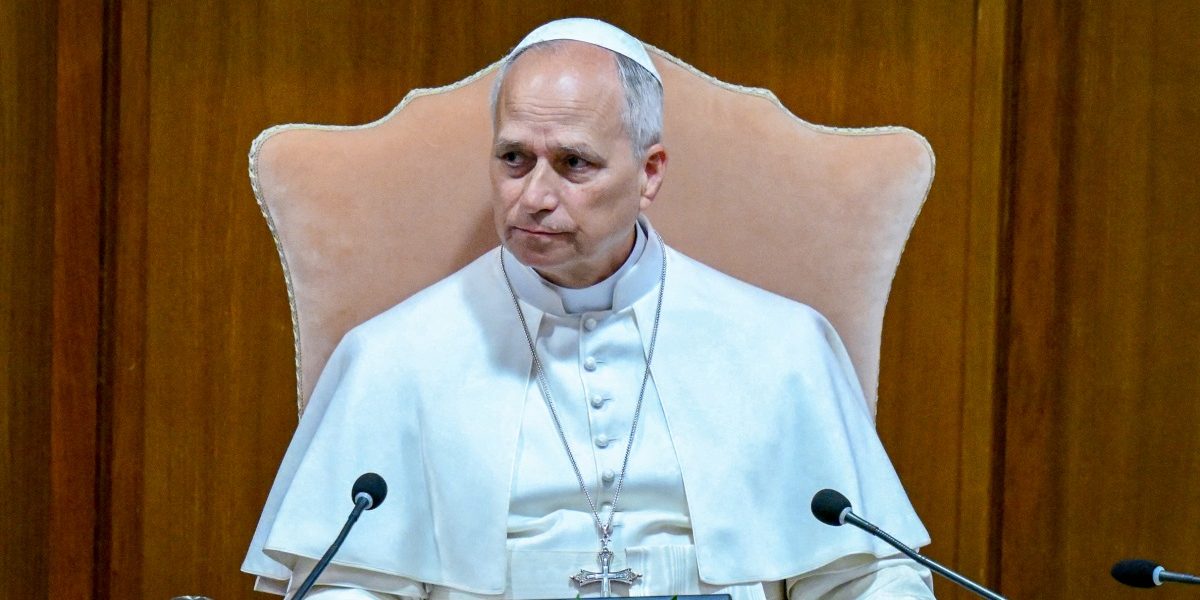
Pope Leo XIV, in his maiden encyclical, has drawn parallels between the rise of artificial intelligence and the corrupting influence of power, famously exemplified by Gandalf’s fall in J.R.R. Tolkien’s Middle-earth saga. This warning, aimed at safeguarding human dignity in the age of AI, is reminiscent of a long line of cultural references that underscore the dangers of unchecked technological progress.
The encyclical, published after over a year of writing, warns that just as the ring Bearer was seduced by power in Tolkien’s myth, AI’s unchecked advancement poses a threat to human identity and agency. In a similar vein, Pope Leo XIV invokes the example of Pablo Picasso, whose cubist works fragmented reality and reordered human perception. The parallels serve as a cautionary tale about how AI can erode our sense of self and blur the lines between human and machine.
Lessons from History
Pope Leo XIV also draws inspiration from the life of Martin Luther King Jr., pointing out that just as the civil rights leader faced opposition from those who sought to maintain the status quo, innovators working on AI may face resistance to their warnings about the dangers of this technology. King’s message of love and compassion, the Pope argues, is all the more vital in this era of technological upheaval.
The Pope’s use of these cultural references underscores the gravity of the AI issue and highlights the need for a more nuanced understanding of its implications. What this means is that we need to take a step back and consider the potential consequences of our actions as we develop and deploy AI technologies. We can’t just see AI as a neutral tool; we need to think about how it will shape our relationships, our values, and our very sense of self.
A New Era of Responsibility
Pope Leo XIV’s encyclical serves as a call to action, urging innovators, policymakers, and citizens alike to take responsibility for the future of AI. By drawing on the wisdom of literature, art, and history, he highlights the need for a more thoughtful approach to technological progress. As AI continues to advance at breakneck speed, the Pope’s warning serves as a reminder that our choices today will shape the world of tomorrow.