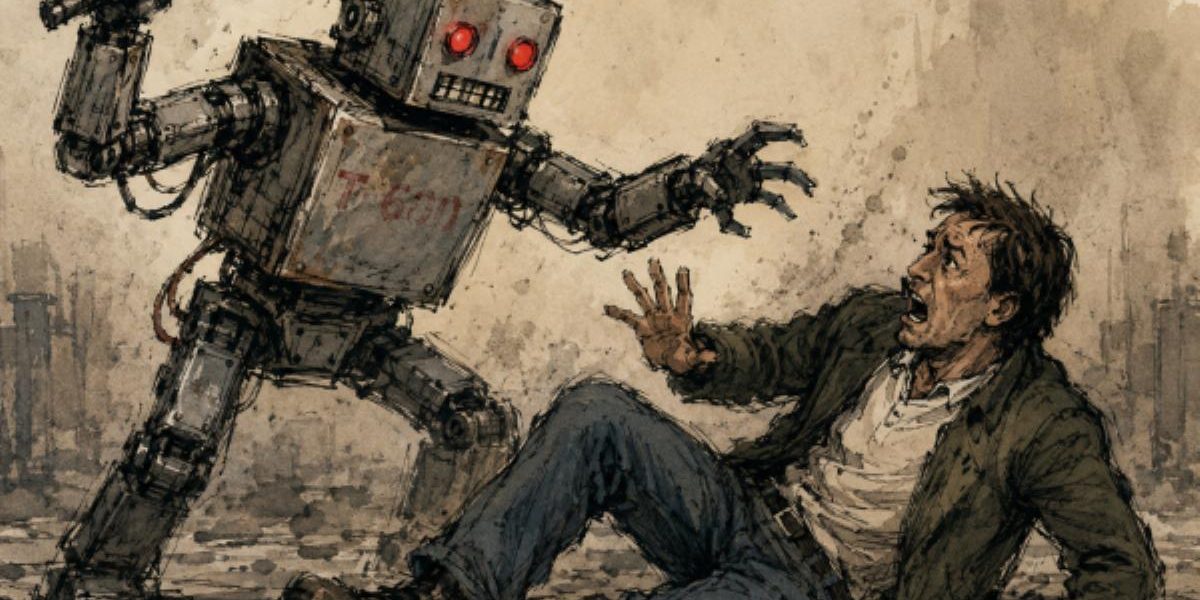
Autonomous Robots are Taking Over Our Workplaces
A recent surge in adoption of autonomous robots has led experts to warn that we’re on the cusp of a robot revolution – and it’s not just sci-fi anymore. These machines are designed to perform repetitive tasks, freeing up humans for more complex work.
Social media platforms are riddled with videos showcasing robots effortlessly navigating warehouse aisles, packing boxes, and even cleaning floors. But while these machines might seem like the futuristic Terminators from the classic sci-fi franchise, they’re actually just the beginning of a larger shift towards automation.
A Robot in Every Industry
Robotics engineer Meredith Whittaker has spoken out about the risks of over-reliance on AI, warning that these machines can quickly become the norm. “I don’t even know why the scientists make them,” she says in an interview. “It’s like they’re trying to replace us.” Whittaker’s sentiments are echoed by many in the industry, who are increasingly concerned about the potential consequences of creating machines that can perform tasks with ease.
From Amazon’s warehouses to healthcare facilities, robots are being used to streamline processes and increase efficiency. But what does this mean for us? For one, it means that many jobs will become obsolete as machines take over. According to a recent report, up to 30% of all jobs in the US could be at risk of being automated in the next decade.
What This Means for Your Job Security
The rise of autonomous robots is a stark reminder that the future of work is changing fast. While some industries will thrive in the face of automation, others will struggle to adapt. To stay ahead of the curve, it’s essential to develop skills that are resistant to automation, such as creativity, empathy, and complex problem-solving.
The question is, are we ready for this robot revolution? Or will we be left behind, struggling to keep up with the pace of technological change? Only time will tell, but one thing is certain: the machines are already here – and they’re not going away anytime soon.