AI’s Dark Side: Data Center Backlash Spreads Across America
As Americans increasingly express their discontent with artificial intelligence, even the tech elite aren’t immune to the backlash. At a recent University of Arizona graduation ceremony, former Google CEO **Eric Schmidt** faced a crowd that turned on him when he predicted AI’s impact would surpass past tech revolutions – the audience responded with loud jeers.
Fear of Data Centers Grows
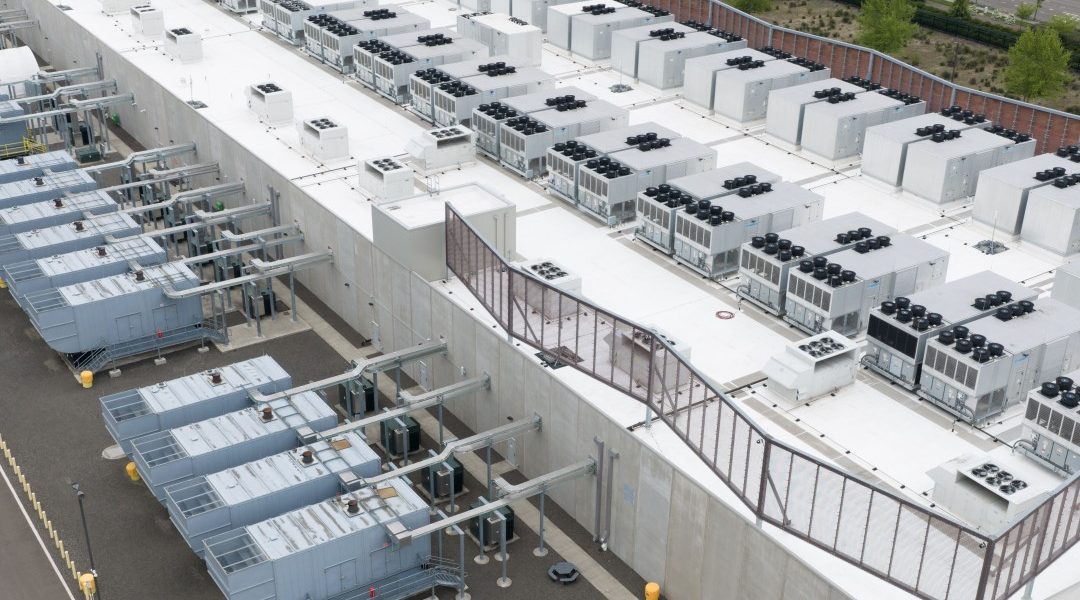
The anger at data centers, which some are now calling “America’s newest political villain,” isn’t limited to online rants. According to the New York Times, last month a man in Texas allegedly hurled a Molotov cocktail at a data center, highlighting the growing frustration with these massive facilities.
What This Means
The increasing public discontent with AI and data centers is a warning sign for the tech industry. As the use of AI grows, so does the demand for vast amounts of data storage, often met by the construction of giant data centers. These facilities are often cited as major polluters, consuming enormous amounts of energy, and are seen by many as a symbol of corporate power and environmental neglect.
A Glimpse of What’s to Come
Experts predict that this backlash against AI and data centers is only a taste of what’s to come. As AI continues to permeate every aspect of our lives, concerns about job displacement, bias, and environmental impact are likely to escalate. Already, several cities are considering measures to limit the construction of new data centers or impose stricter regulations on their operation.
Regulation on the Horizon?
The increasing scrutiny of data centers is also sparking a national conversation about the need for stricter regulations. Some argue that the tech industry’s lax approach to sustainability and transparency has created an environment where concerns about AI’s impact can boil over into violence.
The data center backlash is a wake-up call for the tech industry: as AI becomes more integral to our lives, the industry must take steps to address the concerns of the public, or risk facing even more severe repercussions.