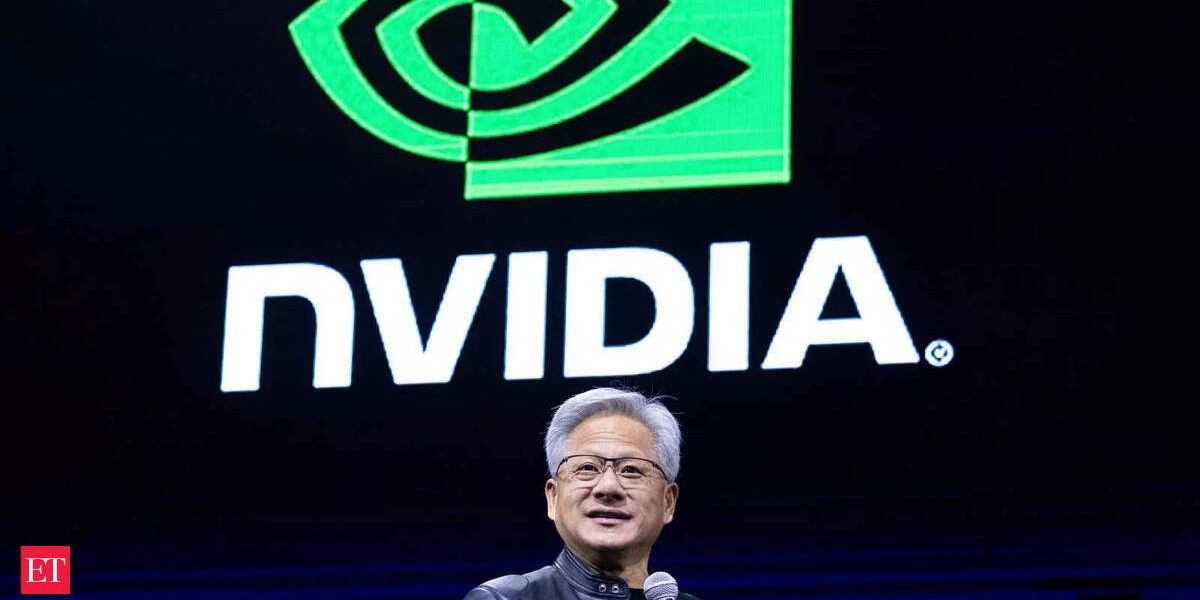
Nvidia CEO Jensen Huang recently made a stark prediction: every industry will be impacted by AI, and countries need to start prioritizing it in their strategies. He’s likening AI’s influence to two of the most revolutionary technologies of the past century: electricity and the internet.
Nvidia’s Leader Sees AI as a Fundamental Shift
Huang’s statement echoes a sentiment echoed by many experts in the field: AI is not just a technological novelty, but a fundamentally new way of approaching problems and leveraging data. For decades, industries like healthcare and finance have been steadily increasing their use of AI in various capacities, but Huang is suggesting that the real impact is just beginning.
Comparing AI to Electricity and the Internet
The analogy to electricity and the internet is apt: both of these technologies have had a profound impact on how we live and work, and their adoption has been a gradual process that’s spanned decades. Electricity transformed the way we power our homes and industries, while the internet transformed the way we communicate and access information. Huang believes AI will do the same thing, but on a much broader scale.
This means that every industry, from manufacturing to agriculture, will need to adapt to the rise of AI and find ways to integrate it into their operations. Countries that fail to do so risk being left behind, just as those that failed to adopt electricity and the internet in their early days are now at a significant disadvantage.
What This Means for the Global Economy
The implications of Huang’s statement are far-reaching, and they go beyond the world of technology. As AI becomes more pervasive, we can expect to see significant changes in the global economy, from the creation of new industries to the disruption of existing ones. The shift towards a more automated workforce will also require governments and policymakers to rethink their approaches to education, job training, and social welfare.
In short, Huang’s statement is a call to action for nations to prioritize AI in their strategies and prepare for a future where machines are increasingly capable of making decisions and taking action on their own.