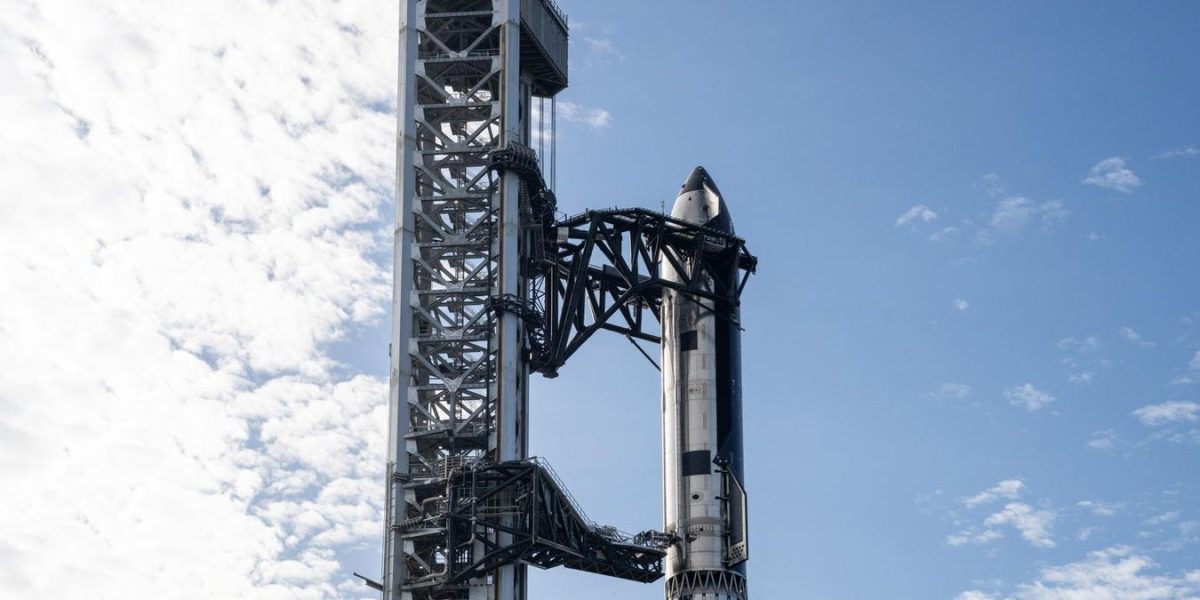
SpaceX is set to launch its next-generation Starship spacecraft, a critical test of the company’s ambitious plans to take humans to the moon and Mars. The launch, scheduled for early summer in Florida, marks a major milestone for SpaceX’s efforts to develop a reusable spacecraft capable of carrying both people and cargo to space.
Why This Matters
For SpaceX, the Starship launch represents a crucial test of its ability to execute on its vision of a human presence in space. The company’s long-term plan involves establishing a permanent, self-sustaining human presence on the moon and Mars, with the goal of making humanity a multi-planetary species. To achieve this, SpaceX needs to demonstrate that its Starship spacecraft can safely and reliably carry people and cargo to space, a feat that has proven difficult for other companies and organizations.
The Business Angle
SpaceX is also preparing for an initial public offering (IPO), which has raised questions about the company’s financial stability and its ability to execute on its ambitious plans. The successful completion of the Starship launch could provide a significant boost to SpaceX’s IPO prospects, as it would demonstrate the company’s technological capabilities and its ability to execute on its vision. With a market valuation of $250 billion, SpaceX is one of the most highly valued private companies in the world, and a successful IPO would be a major milestone for the company.
The Broader Impact
The Starship launch has also sparked interest in the broader tech community, with many experts and investors watching the company’s progress closely. As SpaceX continues to push the boundaries of what is possible in space, it is also driving innovation in areas such as reusable rockets, advanced materials, and life support systems. The company’s work on Starship has also raised questions about the future of space tourism, satellite deployment, and other space-related industries.
What this means: The Starship launch is a crucial test of SpaceX’s capabilities, and a successful completion could pave the way for a human presence in space. It also highlights the company’s ambitions for space tourism, satellite deployment, and other industries that are likely to be impacted by its progress.