**AI-powered safety inspectors hit construction sites**
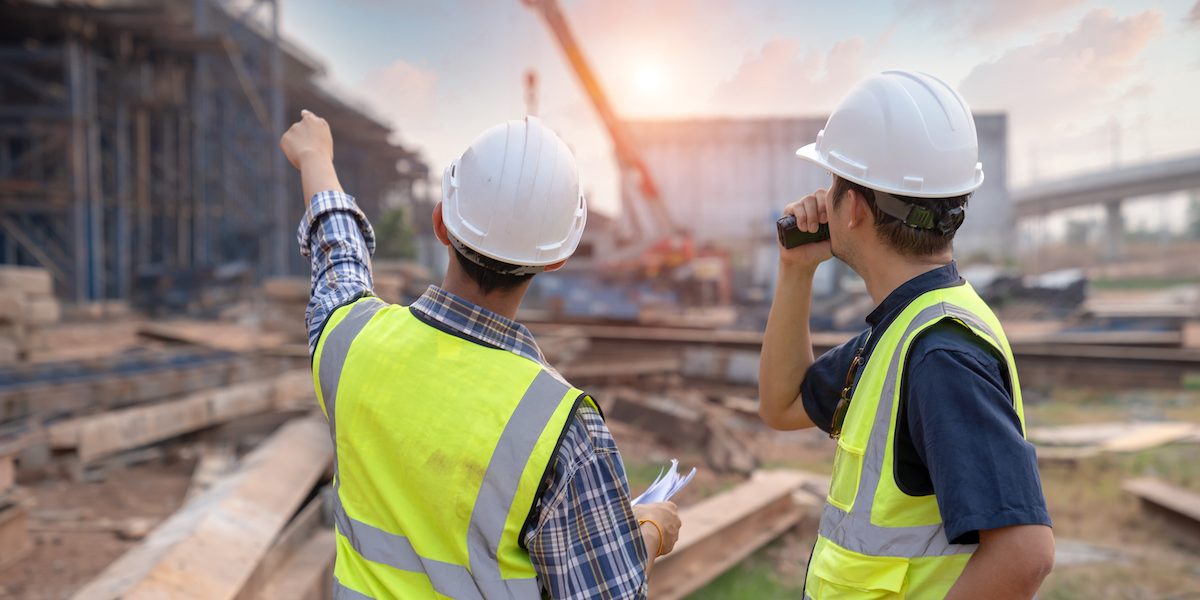
A new AI system is taking on the thankless job of flagging safety hazards on construction sites, potentially reducing the number of preventable fatalities.
The sector is plagued by a grim statistic: roughly 8% of the private-sector workforce works in construction, but around one in five fatalities occurs there. This ratio has persisted for decades, with the Associated Builders and Contractors estimating that the sector needs over 430,000 new workers to meet demand.
Enter SiteMonitor, an AI-powered safety inspector developed by Stanford University‘s Computer Science department, in collaboration with construction firms. It uses a combination of computer vision and machine learning to scan construction sites for hard hat and PPE (personal protective equipment) violations, before they become accidents.
The team behind SiteMonitor has been training their AI on thousands of hours of video footage from various construction sites. By analyzing these clips, the AI is able to spot potential safety hazards and alert supervisors, who can then address the issues before they lead to harm.
SiteMonitor’s developers point out that human inspectors might miss these hazards, especially if they’re not paying close attention. By automating this process, the AI can provide a more consistent and effective safety check, potentially reducing the number of preventable fatalities.
**What this means:**
SiteMonitor represents an opportunity for the construction industry to improve safety without breaking the bank. By leveraging AI to flag safety hazards, supervisors can address issues before they become major problems, reducing the risk of accidents and saving lives. If deployed widely, AI-powered safety inspectors like SiteMonitor could help alleviate the industry’s worker shortage and address the persistent safety gap.
**SiteMonitor in action:**
The system is currently being tested on several construction sites, with promising results. In one pilot study, SiteMonitor spotted 85% of safety hazards that human inspectors had missed. While more testing is needed, the initial results suggest that AI-powered safety inspectors could be a vital tool in reducing workplace accidents.