Elon Musk’s Bid to Oust OpenAI Execs Falls Flat
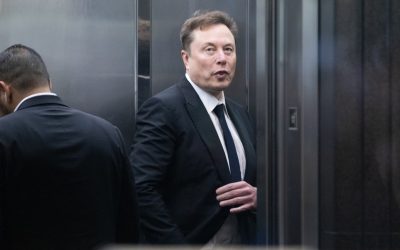
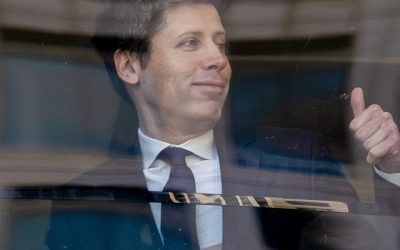
A jury dealt a major blow to Elon Musk’s high-stakes lawsuit against OpenAI, rejecting his claim that CEOs Sam Altman and Greg Brockman breached their nonprofit agreement. The verdict effectively ended Musk’s pursuit of $150 billion in damages and the removal of the executives from their roles.
Musk’s Lawsuit: A Bid for Control?
Musk, the co-founder of Neuralink and the CEO of SpaceX, had been a key advisor to OpenAI in its early days. However, his relationship with the company soured in 2019, and he left the board of directors. He then filed a lawsuit in 2019 claiming that Altman and Brockman had broken their agreement to maintain OpenAI as a nonprofit focused on benefiting humanity. OpenAI had allegedly deviated from this mission by prioritizing profits over people, Musk argued.
Jury Sides with OpenAI
The jury found that Musk’s actions in waiting too long to file his lawsuit made it impossible to prove that Altman and Brockman had indeed breached the agreement. As a result, the court rejected Musk’s claims of wrongdoing, effectively ending his pursuit of damages and the removal of the executives.
What this means
The verdict is a significant win for OpenAI, allowing the company to maintain its status as a leading force in the AI landscape. For Musk, the defeat marks a setback in his efforts to shape the direction of OpenAI and potentially gain control over the company. As AI continues to shape the world around us, the outcome of this trial serves as a reminder of the importance of maintaining transparent and equitable partnerships in the development of this rapidly advancing technology.
The ruling also highlights the challenges of navigating complex agreements and the consequences of delayed action. While the specifics of the trial may seem esoteric, the outcome has significant implications for anyone concerned with the future of AI and the companies that are driving its development.