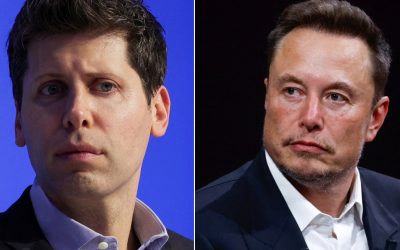
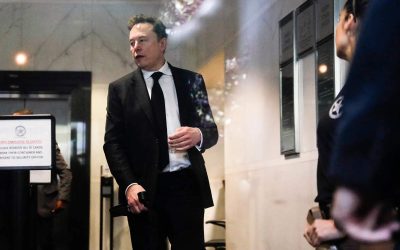
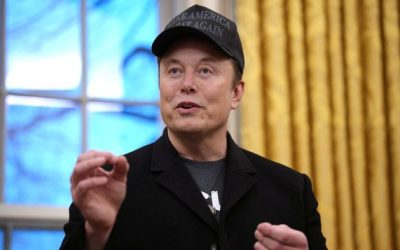
A federal jury has voted to dismiss Elon Musk’s high-profile lawsuit against OpenAI Group PBC, dealing a significant blow to the billionaire’s efforts to take control of the AI company.
OpenAI Escapes Musk’s Grasp
The nine jurors found that the complaint Musk filed in **2024** was brought after the statute of limitations had expired. This effectively means that the suit, which alleged OpenAI had breached their 2015 agreement to provide Musk with access to the company’s proprietary AI technology, is now invalid. Musk had sought to have the agreement enforced, and in doing so, potentially gain control of the company.
OpenAI, the developer of the popular AI language model ChatGPT, had maintained that the agreement was already expired when Musk brought the lawsuit. It appears the jurors have sided with OpenAI on this point, dismissing Musk’s claims. While the decision is non-binding, it has significant implications for any future litigation between the two parties.
The development raises questions about the future of Musk’s involvement in the AI industry, as well as his relationships with other companies. OpenAI has already seen significant investment from Microsoft, which may be wary of Musk’s intentions given the failed lawsuit.
What this means is that OpenAI is now free to continue its business operations without interference from Musk. The company’s leadership, which includes CEO Sam Altman, can focus on further developing its AI technology without the distraction and uncertainty of a contentious lawsuit. For Musk, the decision may limit his ability to gain control over influential AI companies, at least in the near future.
The trial is just the latest development in the complex and often contentious relationship between Musk and OpenAI. The billionaire had initially invested in the company but later became increasingly vocal about his concerns over its safety and potential misuse. The lawsuit was a high stakes effort to exert control over the company and its technology.