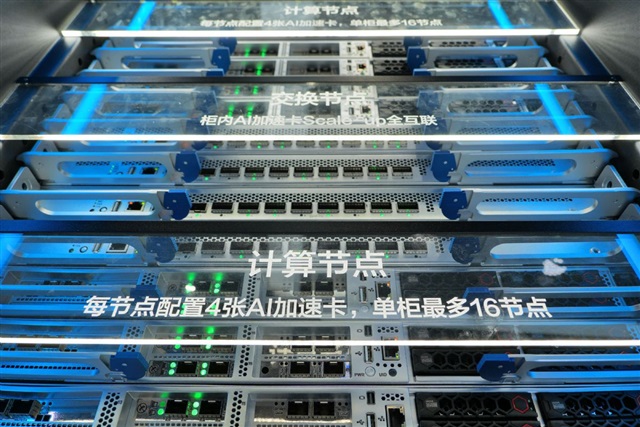
China is betting big on AI compute, setting the stage for a potentially massive overhaul of its digital infrastructure.
AI Token Boom Sparks National Network Plans
China’s rapid adoption of artificial intelligence (AI) tokens is propelling a nationwide push for a unified computing power network. This ambitious initiative aims to integrate AI compute into the country’s public infrastructure, much like the internet or electricity grids. As AI continues to transform industries and daily life, governments are scrambling to keep pace and stay competitive.
The Chinese government has long recognized the strategic importance of computing power in driving innovation and national advancement. With the AI token boom fueling demand for high-performance computing resources, Beijing sees an opportunity to create a standardized network that can serve as a backbone for various industries, from healthcare to finance.
Compute Network: A Next-Generation Infrastructure
China’s national compute network will comprise a vast array of computing resources, including AI-specialized servers, data centers, and even high-performance computing clusters. The network’s primary goal is to provide seamless access to computing power for developers, startups, and large corporations, fostering innovation and speeding up the development of AI applications. By creating a shared infrastructure, China aims to reduce costs, increase efficiency, and drive entrepreneurship.
China has already made significant strides in building out its AI ecosystem, with notable investments in companies like Alibaba’s cloud computing arm and Baidu’s AI research initiatives. The national compute network is the latest move in this direction, underscoring the country’s commitment to emerging technologies and digital leadership.
What this means
For China, the national compute network represents a strategic play to secure its position as a global AI powerhouse. As AI adoption accelerates worldwide, the country’s efforts to create a standardized computing infrastructure will likely influence the broader industry and international standards. In the long term, this could lead to increased cooperation and collaboration between nations on AI development, potentially shaping the future of the technology landscape.