
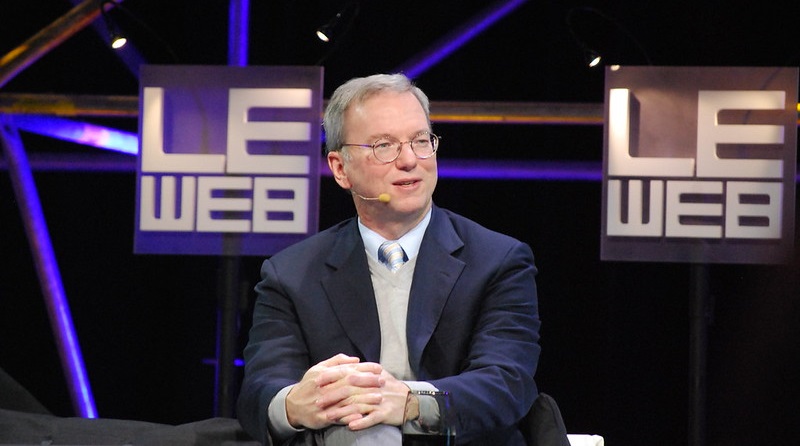
Audience Boos Eric Schmidt Over AI Remarks at Commencement Ceremony
Former Google LLC Chief Executive Officer Eric Schmidt recently drew a crowd of boos from students during a commencement speech, after making comments about the economic impact of artificial intelligence.
What Caused the Backlash?
Schmidt, who has been an outspoken advocate for AI, expressed his views during the ceremony, stating that AI could potentially be used to replace workers and exacerbate economic inequality. His comments sparked immediate backlash from the audience, with many students and faculty members shouting in disagreement.
Eric Schmidt, who served as Google’s CEO from 2001 to 2011 and later as executive chairman, has been a prominent voice in the tech industry, often speaking about the benefits and challenges of AI. His comments during the commencement speech, however, highlighted the concerns many people have about the potential consequences of AI on employment and society.
AI and the Job Market
As AI technology advances, it’s becoming increasingly clear that automation could displace millions of jobs, especially those that involve repetitive tasks or can be easily outsourced to machines. While some argue that AI will create new job opportunities, others are concerned that the benefits of automation will largely accrue to corporate interests and wealthy individuals.
The concerns about AI and the job market are far from new, but Schmidt’s comments during the commencement speech may have struck a nerve with students who are worried about their own futures and the future of work.
What This Means
The backlash against Schmidt’s comments highlights the growing unease about the impact of AI on society. As AI technology continues to advance, policymakers, industry leaders, and individuals will need to have a more nuanced conversation about the benefits and risks of automation. Ultimately, it’s up to us to ensure that the benefits of AI are shared fairly and that we take steps to mitigate its negative consequences.


