
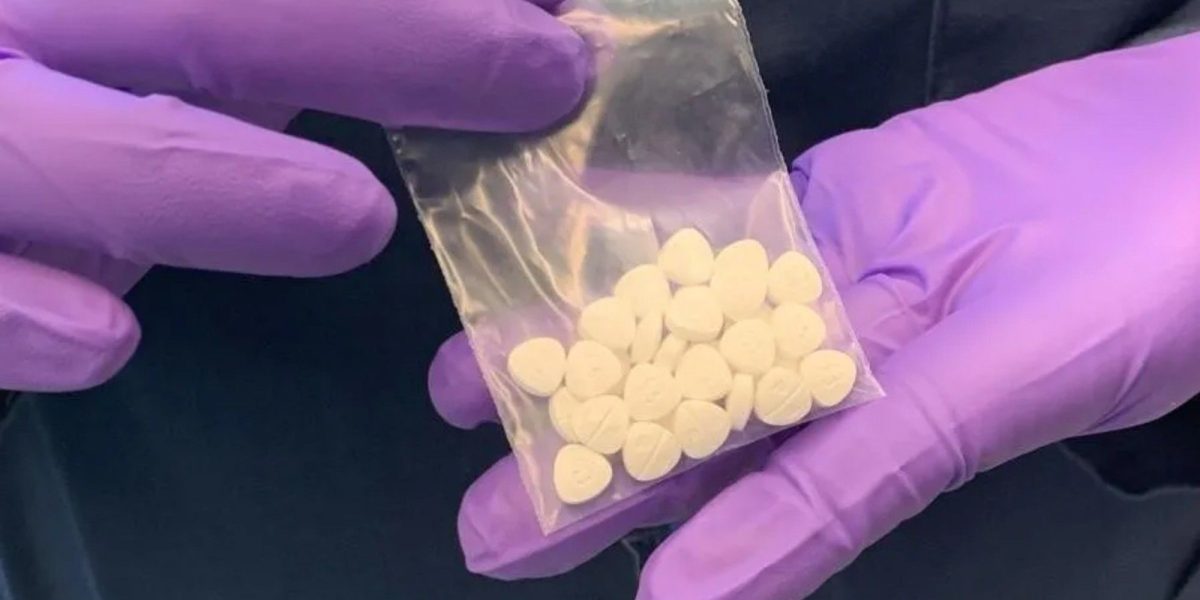
**Synthetic drugs are pouring into the U.S., and law enforcement is struggling to keep up.**
The U.S. is facing a synthetic drug onslaught, with labs churning out cheap, untrackable, and perilous substances that are flooding the market. This isn’t a novel phenomenon, however – lab-made or “designer” drugs have been around for decades, with LSD and methamphetamine being two notable examples. What’s new is the sheer scope and diversity of synthetic intoxicants now circulating.
These lab-created substances often mimic the effects of controlled substances, but with unpredictable and potentially lethal consequences. Synthetic opioids, for instance, have contributed to the opioid crisis in the U.S., with thousands of overdose deaths attributed to these substances. Synthetic cannabinoids, meanwhile, have been linked to severe health issues, including psychosis and seizures.
Unregulated and untrackable
One significant challenge law enforcement faces is the ease with which synthetic labs can operate. These labs can be set up in small spaces, and the raw materials used to manufacture synthetic substances are often readily available online. This convenience, combined with the anonymity of online transactions, makes it difficult for authorities to track the origin and distribution of these substances. **According to the DEA, it’s estimated that there are over 300 active synthetic opioid labs in the U.S. alone.**
This lack of regulation and visibility also means that synthetic substances often aren’t tested for safety or potency, leading to a wild west of potency variability. A synthetic substance that may be 10% as potent as its legitimate counterpart one day might be 50% stronger the next – and no one knows when or why.
What this means
**If you’re someone who uses substances recreationally, the takeaway here is simple:** synthetic substances are a gamble you shouldn’t take. They can be deadly, and you don’t know what you’re getting. **Law enforcement is working to keep up, but the pace of synthetic substance production and distribution often outstrips their efforts.** The onus is on consumers to be informed and cautious – and to seek help if they’re struggling with substance use.